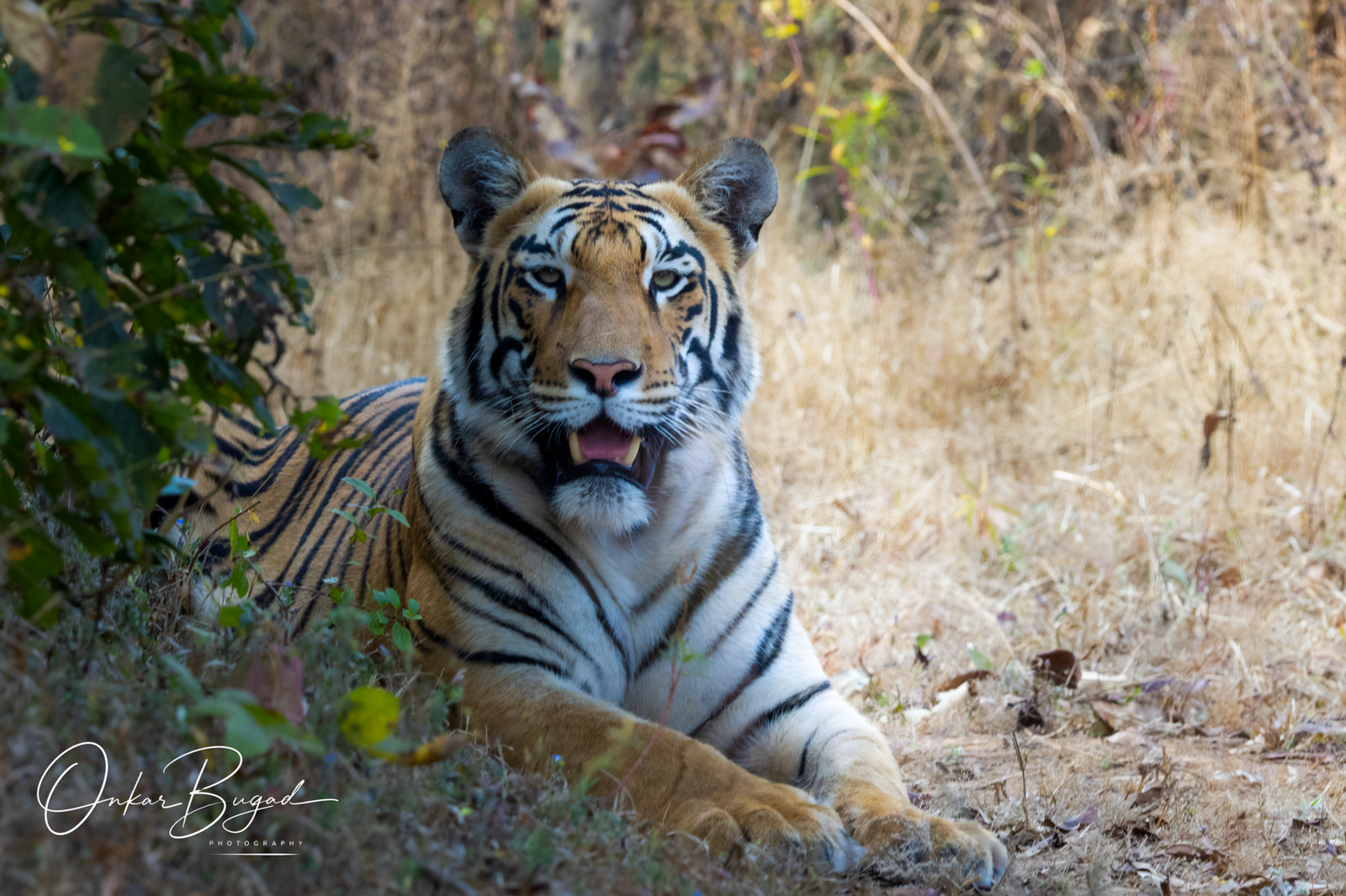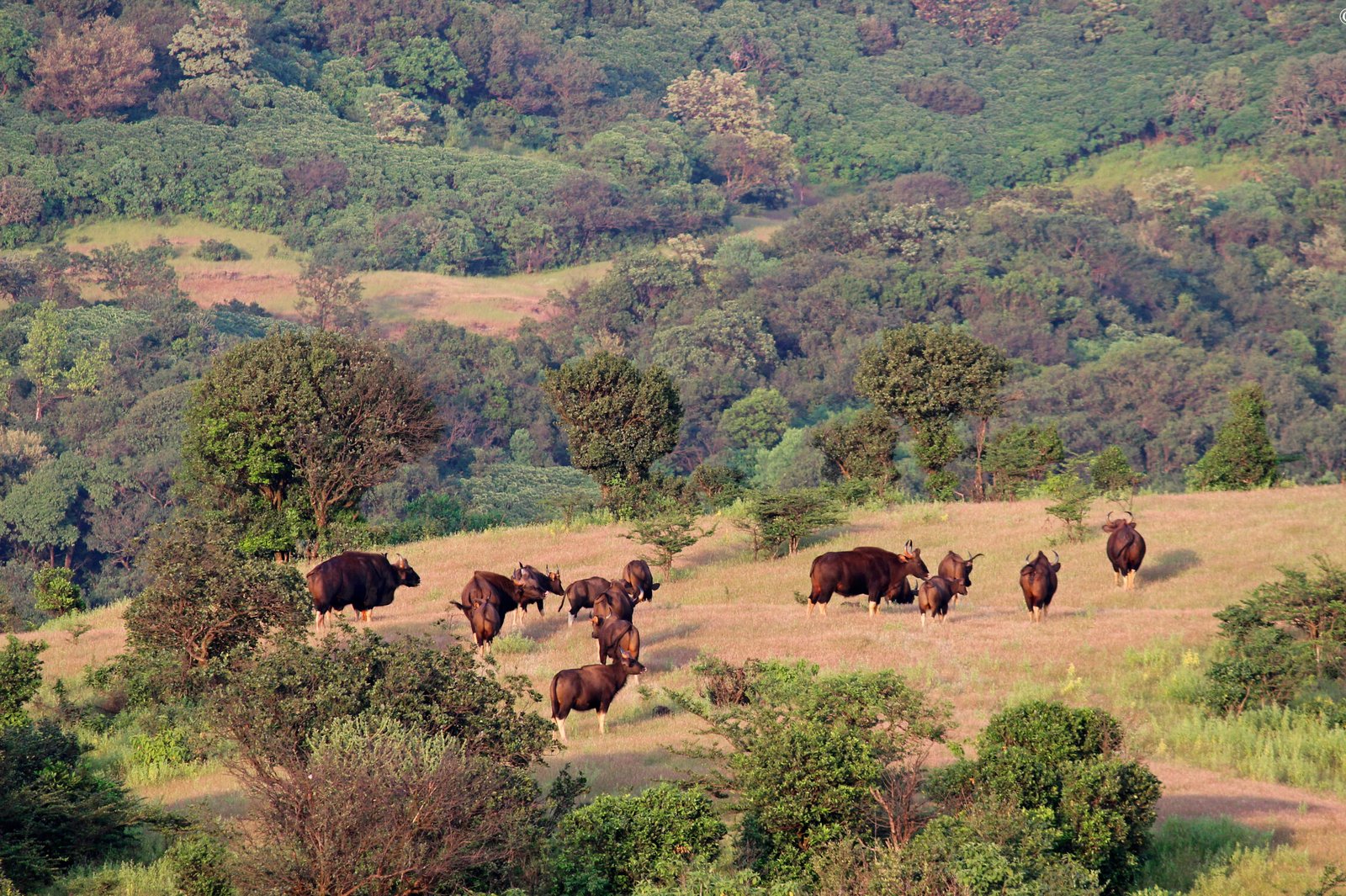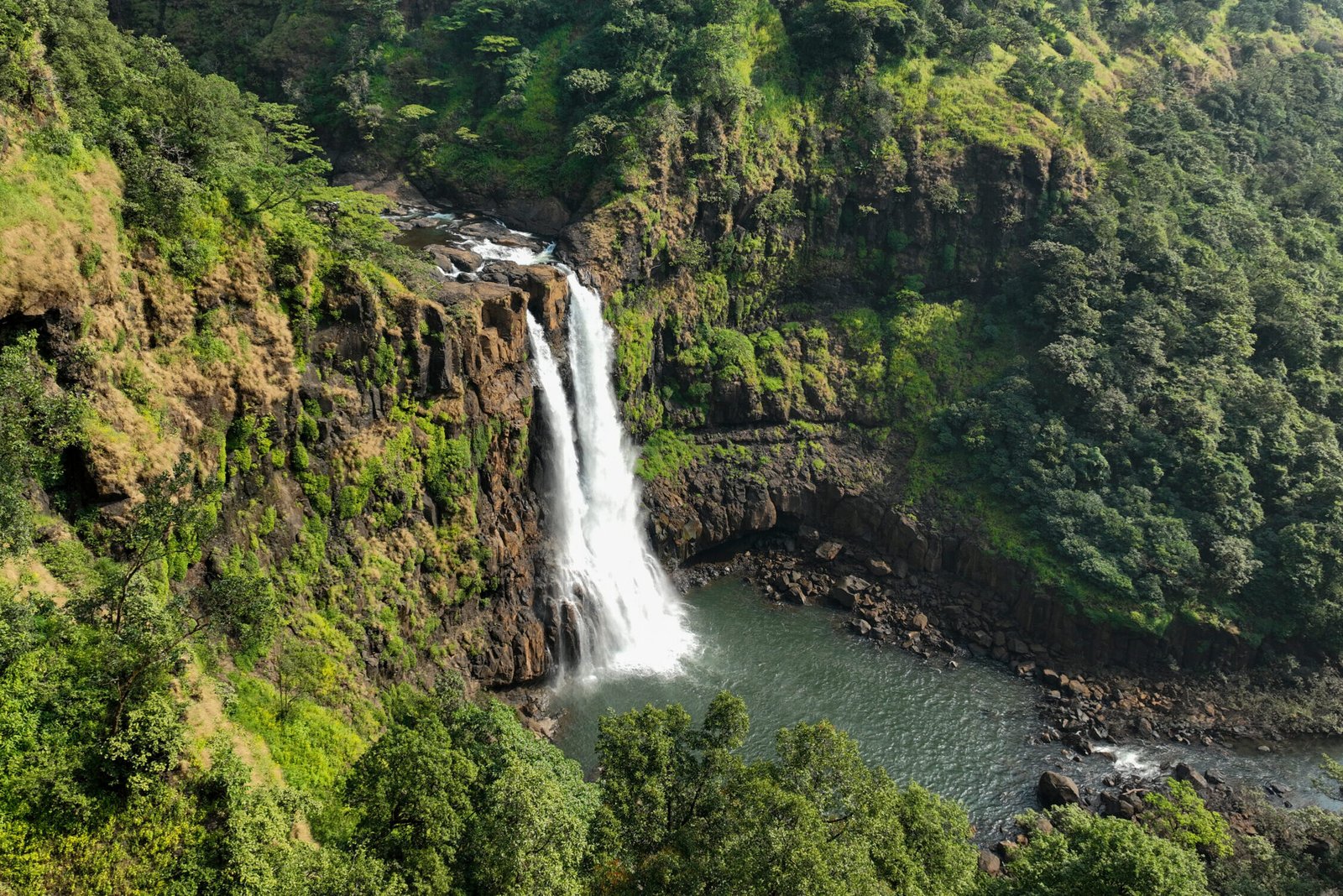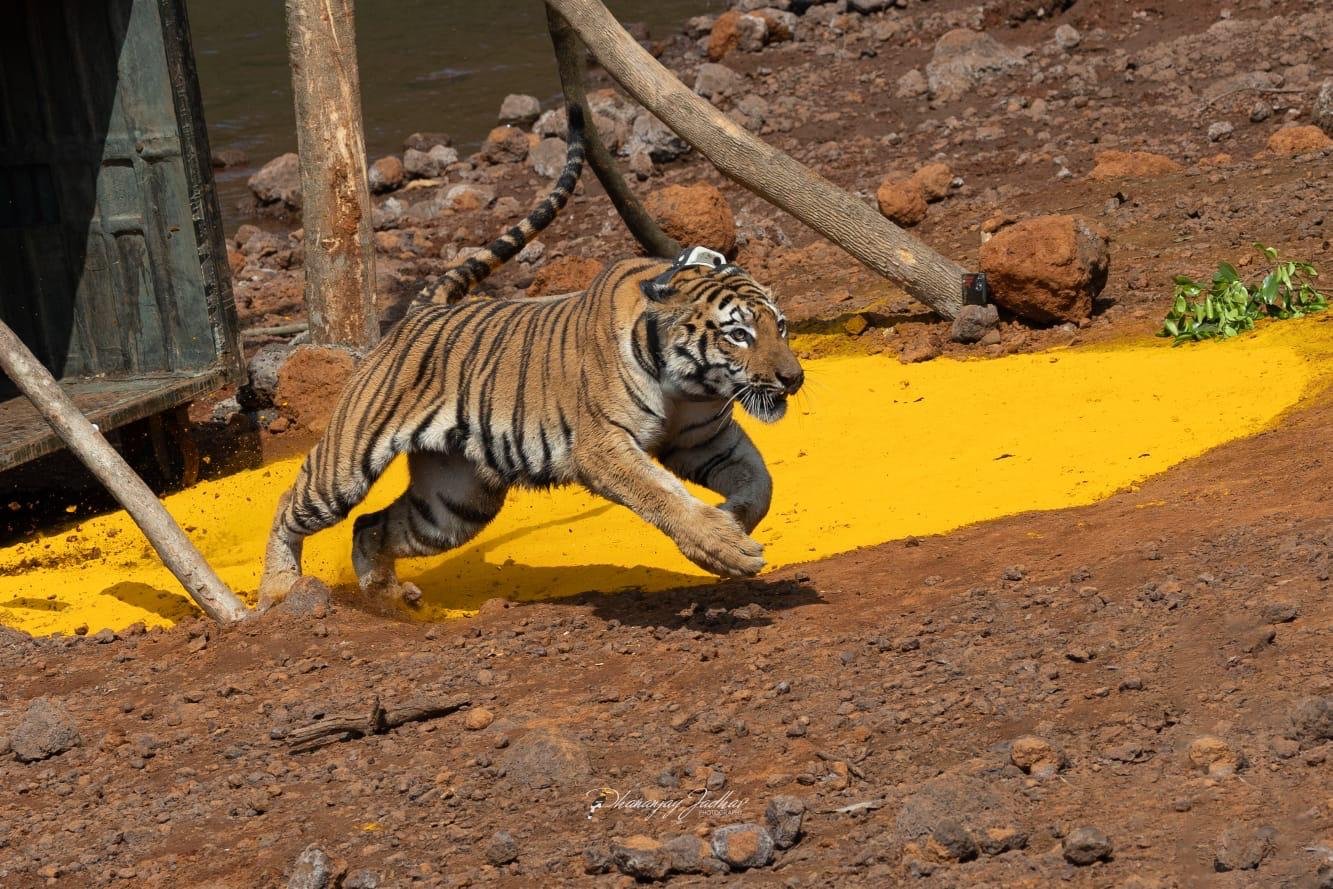
First & only tiger reserve in the Northern Western Ghats

UNESCO World Heritage Site

Part of Global Biodiversity Hottest Hotspot
Home to Rich, Endemic & Endangered Wildlife

Northern most Tiger Habitat in the Western Ghats
First Tiger Recovery Pragram in the Western Ghats

Northern most Breeding Populations of Dholes & Sloth Bears in WG
Key Biodiversity Area (KBA)
Important Bird Area (IBA)
Medicinal Plant Conservation Area (FRLHT)

Water Security & hydroelectric power generation

Historic Landscape of the Maratha Empire
Explore Our Biodiversity

- Western (Montane) Subtropical Hill Forests (8A/C2)
- West Coast Semi-Evergreen Forests (2A/C2)
- Southern Moist Mixed Deciduous Forests (3B/C2)
Forest Types in Sahyadri Tiger Reserve
| Sr. No. | Forest Type |
|---|---|
| 1 | Western (Montane) Subtropical Hill Forests (8A/C2) |
| 2 | West Coast Semi-Evergreen Forests (2A/C2) |
| 3 | Southern Moist Mixed Deciduous Forests (3B/C2) |
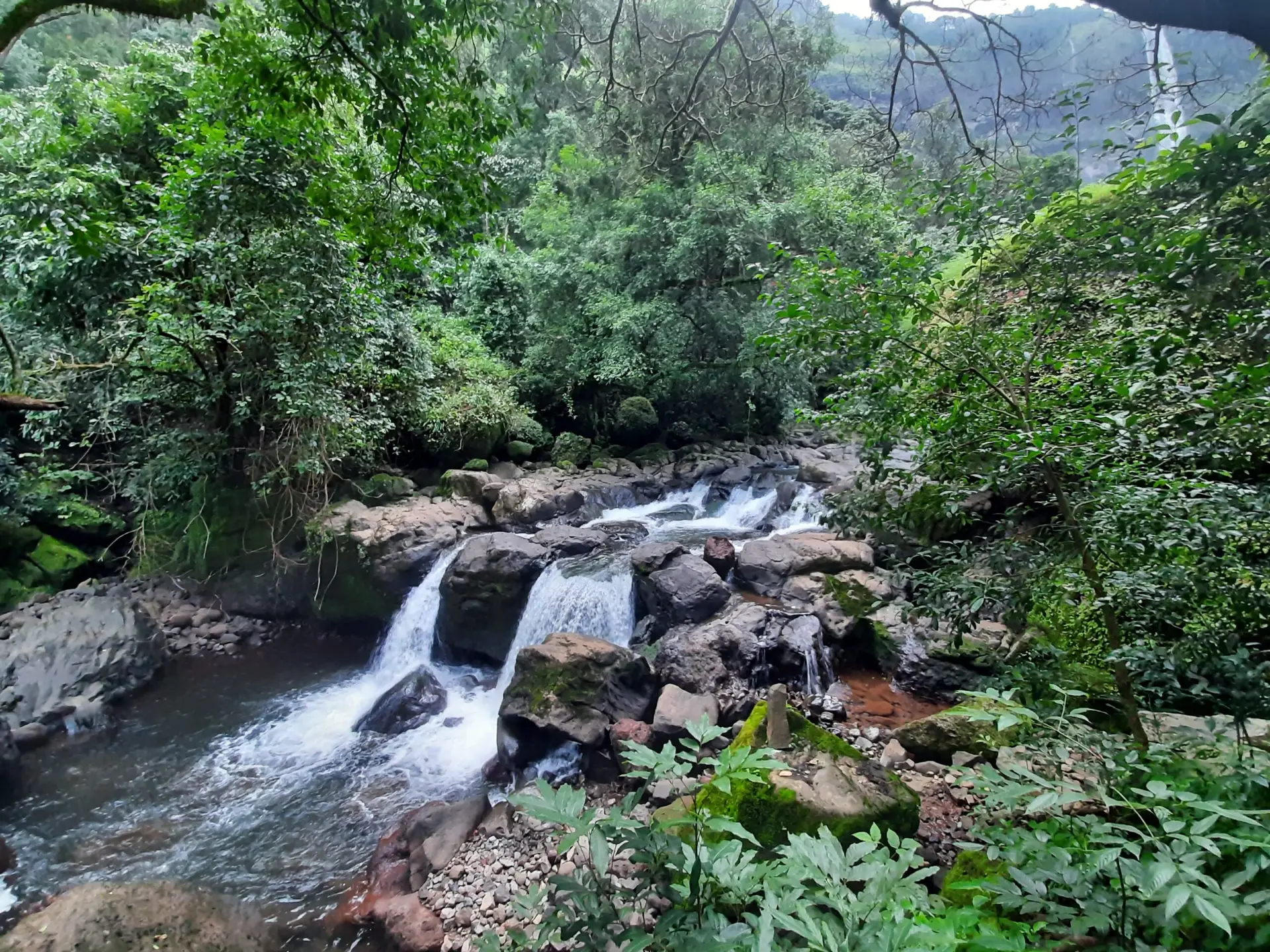
Habitat Types in Sahyadri Tiger Reserve
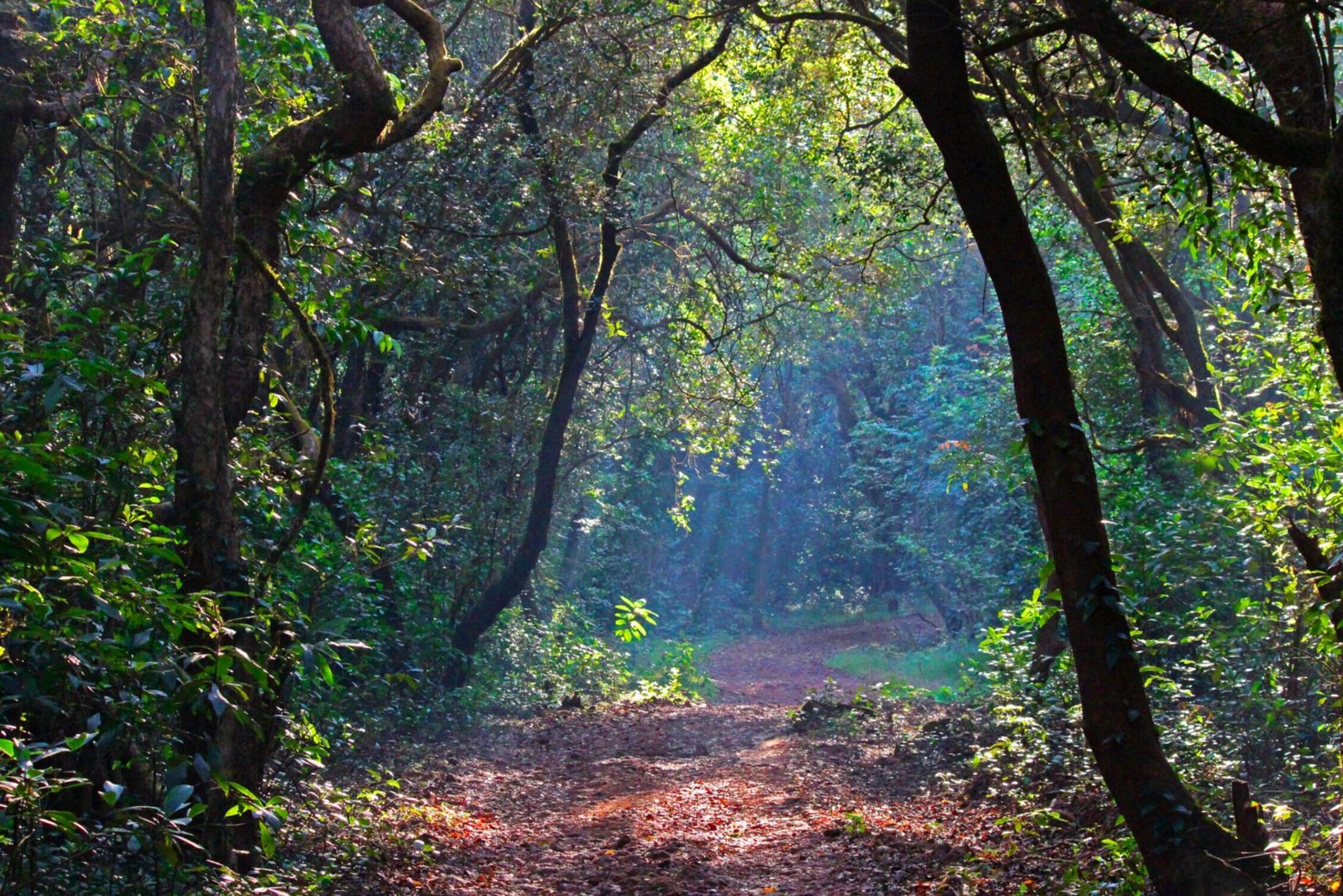
The habitat of the Sahyadri Tiger Reserve includes woodlands, grasslands, riparian zones, aquatic habitats, unique habitats, and species-specific areas. These various habitat types are identified for management purposes within the reserve.
| Sr. No. | Habitat Type | Description |
|---|---|---|
| 1 | Woodlands | A woodland habitat is a diverse ecosystem characterized by the presence of trees, shrubs, and a variety of plant and animal species. Woodlands can range from dense forests to open woodlands with scattered trees. They provide important habitats for wildlife and support a wide range of biodiversity. Good quality forests are found in pockets on deep moist soils in valleys and along nullah banks, lower hill slopes with deep alluvium deposits. The quality is poor on shallow and steep slopes. Grasses occur over all rock formations in the region. |
| 2 | Grasslands | On the lands of 29 rehabilitated villages and plateaus good quality grass land habitat are developed. Grassland habitats are diverse ecosystems characterized by vast expanses of grasses with few trees or shrubs. They are found on every part of tiger reserve and play a crucial role in supporting a wide variety of wildlife species. |
| 3 | Riparian Zones | This habitat occurs along water courses (Big Nullah) and moist places. They are important and very essential for some species. There is a distinct micro-climate and it is associated with distinct vegetation. Riparian vegetation along stream banks harbours many animals and also serves as ‘corridors’ for animal movement. |
| 4 | Aquatic Habitat | In STR core zone, 2 big reservoirs namely Koyna (Shivsagar) and Warna (Vasantsagar) inside and on the boundary of core zone, as well as many streams and small dams in buffer zone acts as good aquatic habitat for aquatic fauna mainly for indigenous fishes, water birds, amphibians. |
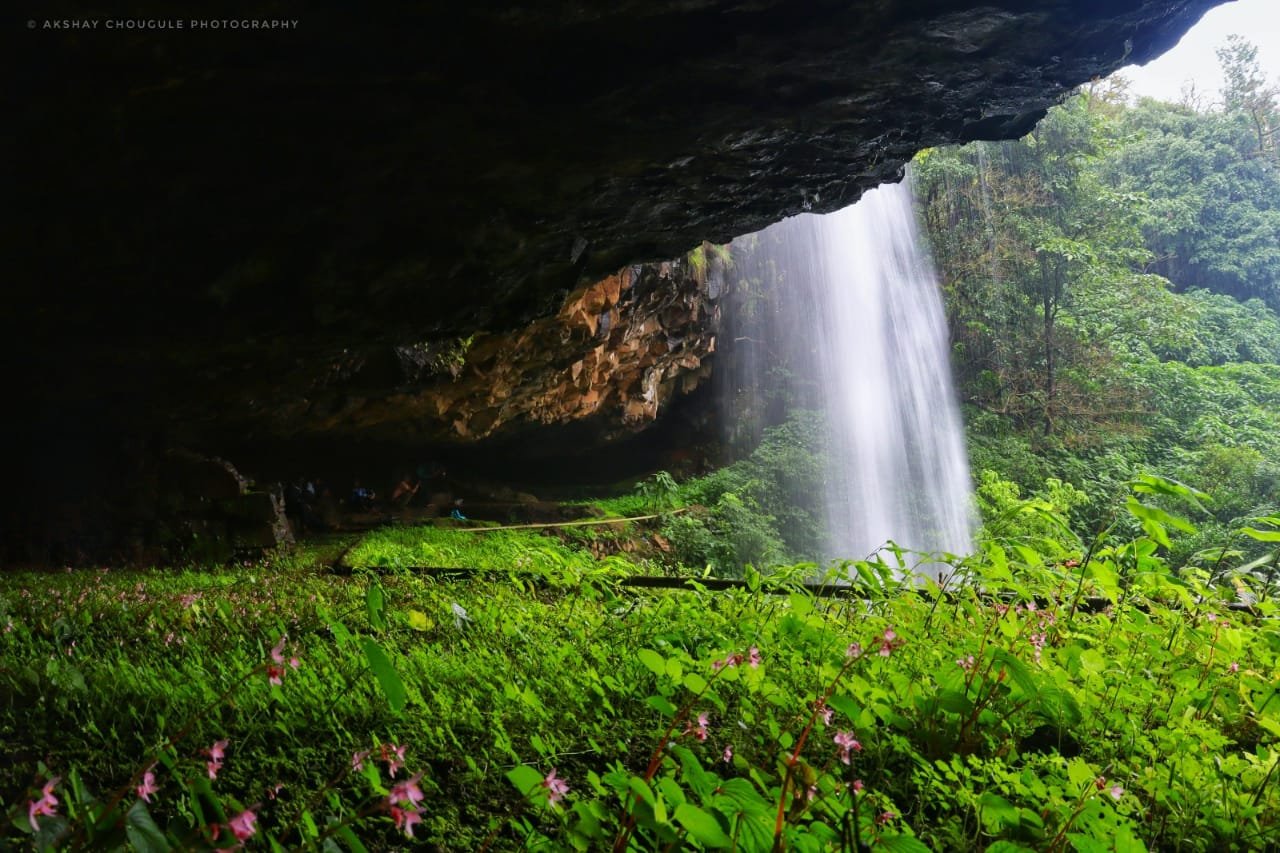
| 5 | Unique Habitats | Sahyadri Tiger Reserve has some unique habitats which are constituted by certain geomorphic features, apart from plant communities. The presence of such geomorphic features undoubtedly imparts diversity to a wildlife habitat and consequently, they also affect animal richness in an area. Cliff, Sadas, Caves, Overhangs, Outcrops, Cavities, Burrows and Rocky areas are important habitats for many species of wildlife. |
| 6 | Species-specific Habitats | Some special and unique habitats like tree hollows, fallen logs, Sadas, Small pounds, snags, burrows, cliffs, overhangs, cavities and caves in the rocks are very important for different animals and birds as well as other wildlife also. |
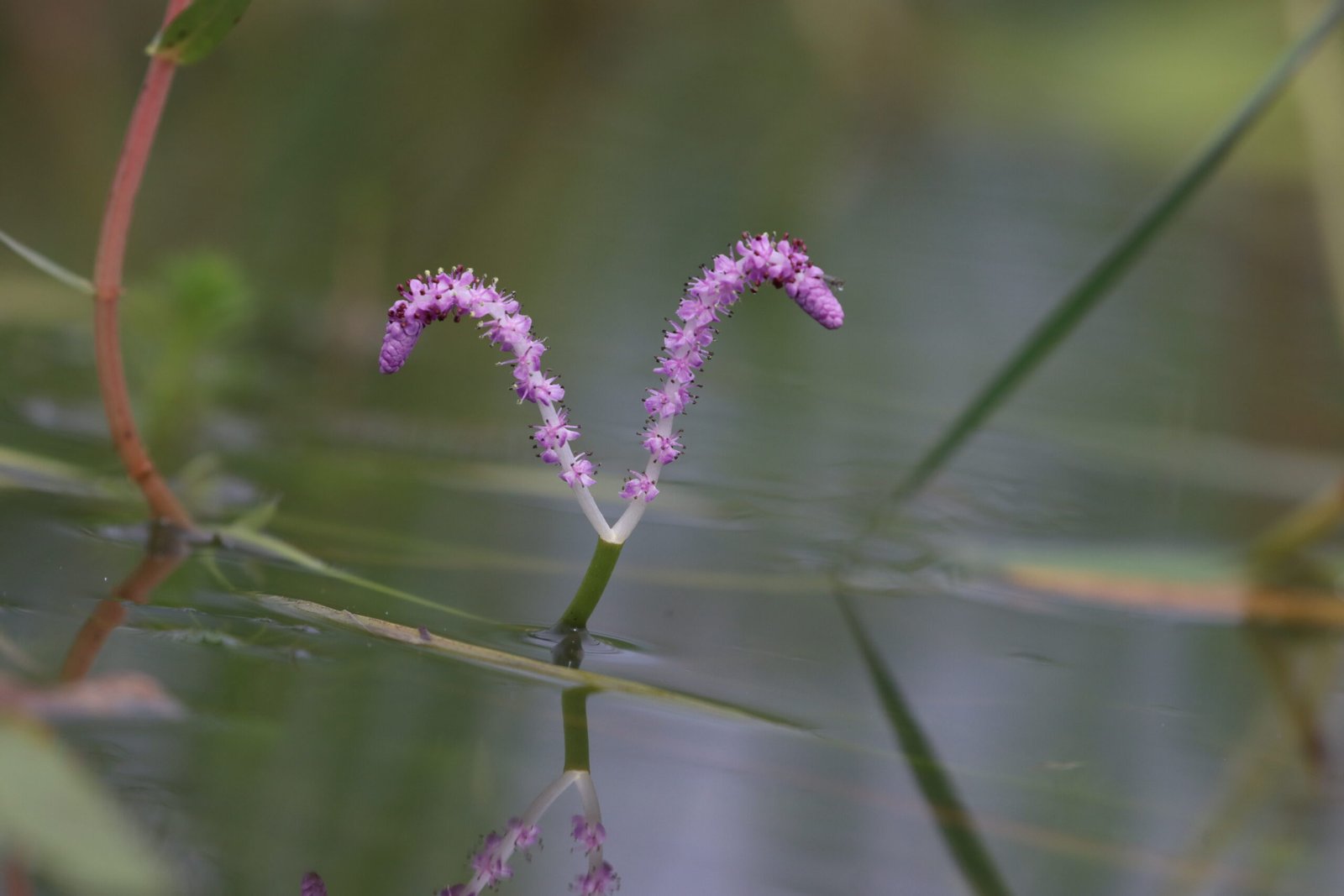
Floral Diversity in Sahyadri Tiger Reserve
Floral Diversity in Sahyadri Tiger Reserve
Sahyadri Tiger Reserve is one of the most floristically diverse protected areas in the northern Western Ghats, harbouring an impressive 1,452 species of plants. The reserve’s remarkable floral richness is a result of its wide altitudinal range, high annual rainfall, varied topography, and diverse habitats, which include tropical evergreen forests, semi-evergreen forests, moist deciduous forests, montane forests, riparian forests, grasslands, and lateritic rocky plateaus. These varied ecosystems support an extraordinary diversity of plant life and form the foundation of the reserve’s ecological integrity.
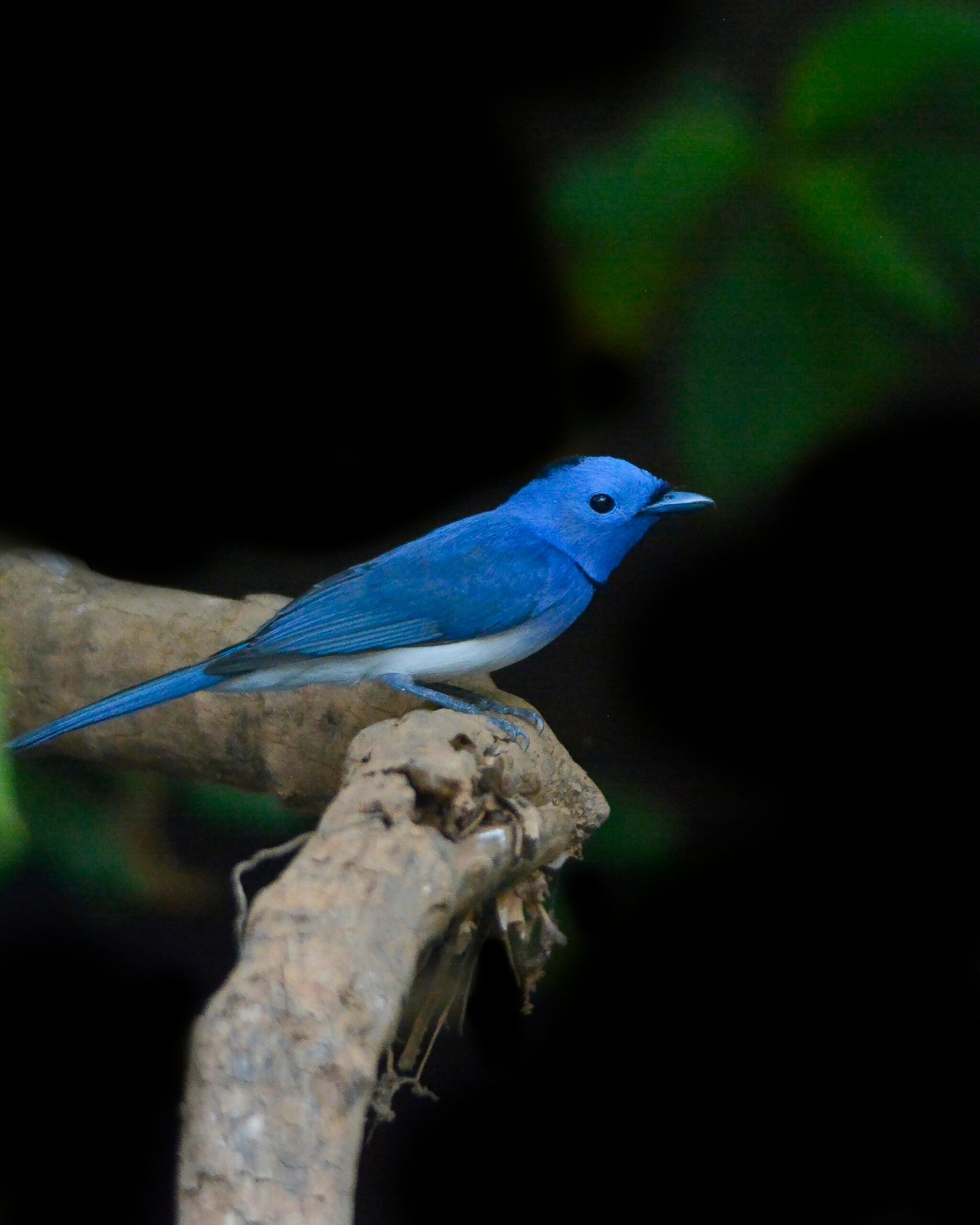
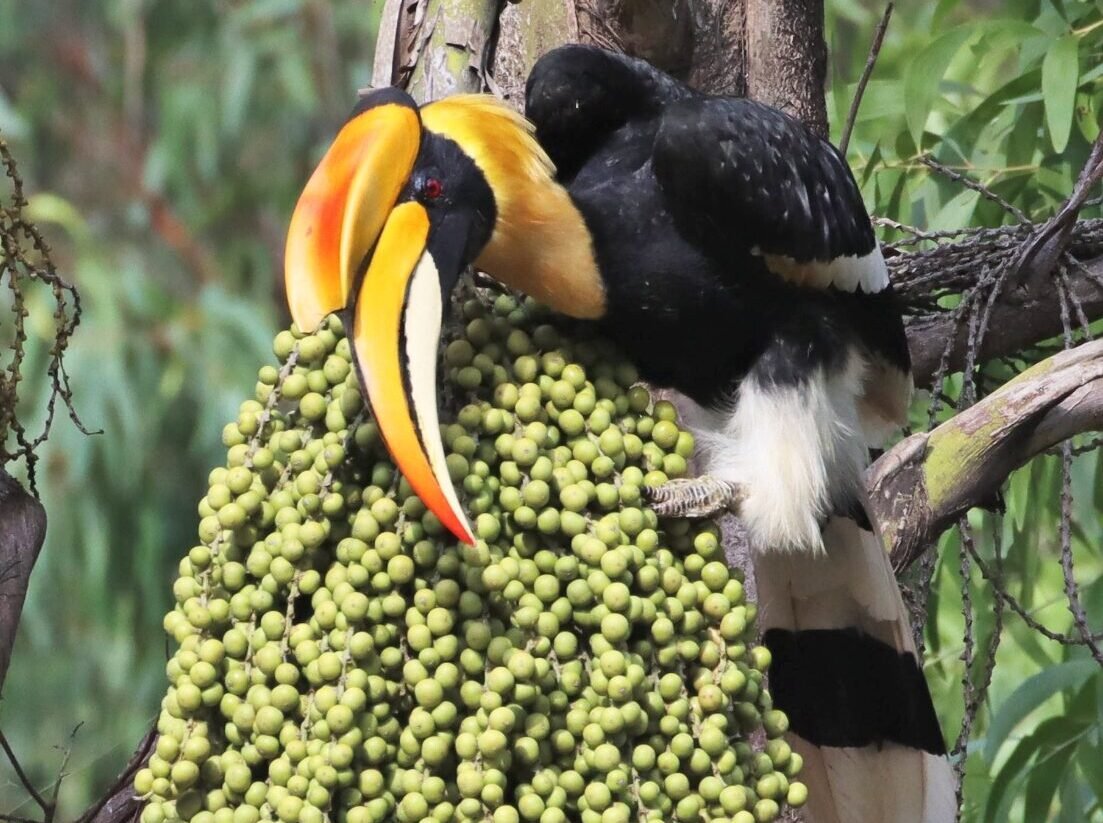
The forests are dominated by a rich assemblage of native tree species that provide essential ecosystem services, including soil and water conservation, carbon sequestration, nutrient cycling, and habitat for wildlife. The reserve is particularly renowned for its abundance of fruit-bearing trees, which ensure year-round food availability for a wide range of animals, including hornbills, pigeons, bulbuls, barbets, fruit bats, macaques, langurs, sloth bears, civets, squirrels, and many other mammals and birds. Important fruit-bearing species include Zizyphus rugosa, Ficus racemosa, Ficus arnottiana, Sideroxylon tomentosum, Acacia concinna, Terminalia chebula, Terminalia bellirica, Phyllanthus emblica (Emblica officinalis), Vangueria spinosa, and Carissa congesta. The continuous availability of fruits throughout the seasons plays a vital role in sustaining wildlife populations and facilitates seed dispersal, thereby supporting natural forest regeneration.
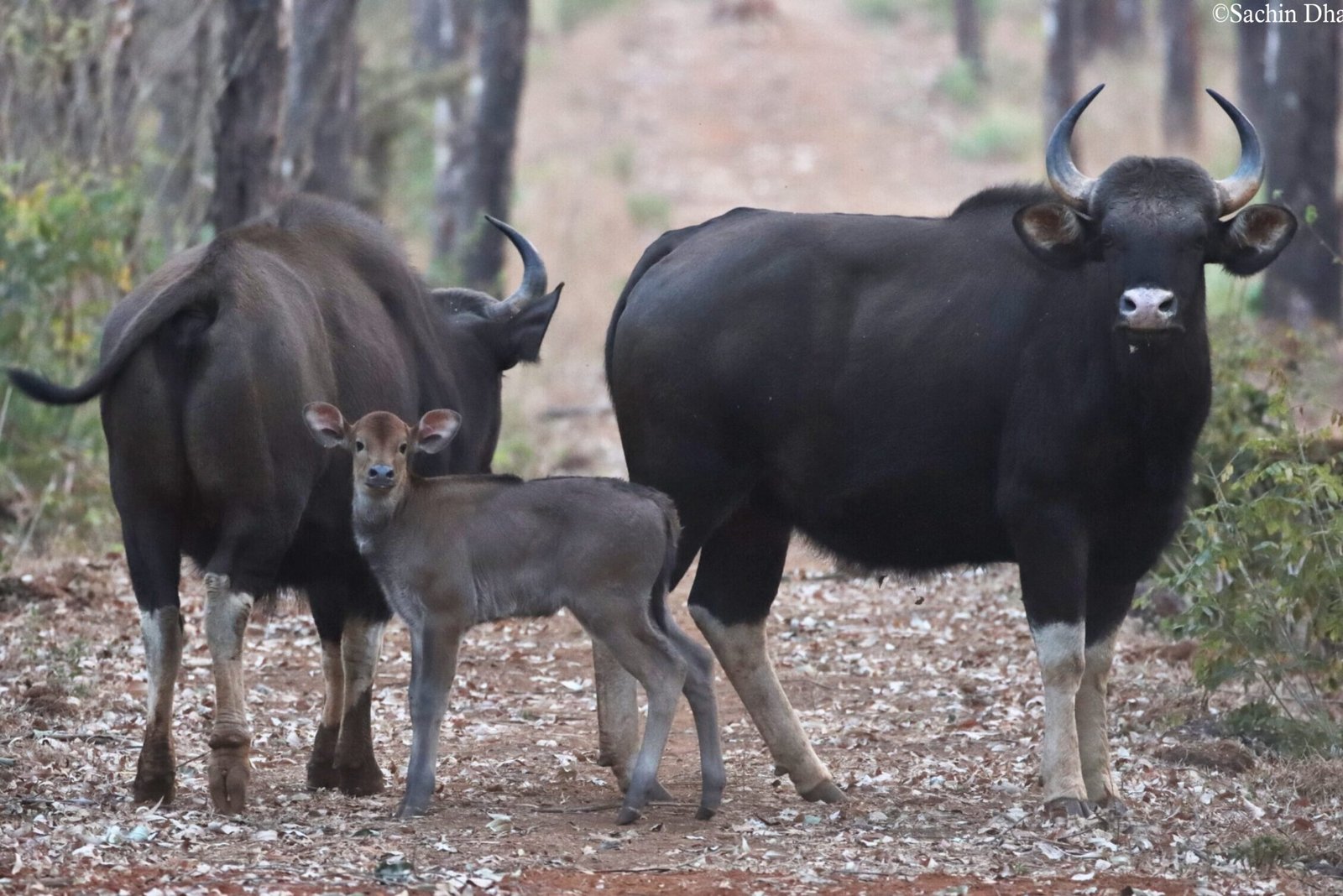
Equally important are the reserve’s fodder species, which provide forage for wild herbivores such as gaur, sambar, barking deer, mouse deer, and wild pig. Species such as Karvi (Strobilanthes callosa), Bamboo, and Kumbal are widely distributed across suitable habitats and contribute significantly to the productivity of the forest ecosystem. The periodic mass flowering of Karvi, which occurs once every several years, is a remarkable ecological phenomenon that attracts a variety of pollinators and influences forest dynamics.
The reserve is also recognized for its exceptional botanical diversity. Floristic surveys have recorded 37 species of orchids, 59 climber species, 41 fern species, 123 herb species, more than 34 shrub species, 77 grass species, and 8 species belonging to the endemic genus Ceropegia. These groups occupy a wide range of ecological niches, from dense evergreen forests and riparian habitats to open grasslands and lateritic plateaus. The high diversity of orchids, ferns, and climbers reflects the humid climatic conditions and relatively undisturbed nature of the forests.
Sahyadri Tiger Reserve is an important centre of plant endemism in the Western Ghats. Botanical studies have documented 206 endemic plant species that are restricted to this globally recognised biodiversity hotspot, along with 60 threatened species listed under various conservation categories. The reserve therefore plays a crucial role in safeguarding rare and geographically restricted flora that are vulnerable to habitat loss and climate change. Many endemic species are associated with specialised habitats such as lateritic plateaus, rocky escarpments, and evergreen forest patches, making the conservation of these habitats particularly important.
Representative plant species recorded from the reserve include Oberonia recurva, Habenaria crassifolia, Moullava spicata, Piper malamiris, Adiantum philippense, Tectaria coadunata, Chlorophytum glaucoides, Smithia hirsuta, Zingiber neesanum, Carissa inermis, Grewia umbellifera, Syzygium salicifolium, Memecylon talbotianum, Ceropegia bulbosa, and Ceropegia jainii. Many of these species are characteristic of the Western Ghats and contribute to the region’s outstanding botanical significance.
The rich floral diversity of Sahyadri Tiger Reserve supports intricate ecological interactions involving pollination, seed dispersal, nutrient cycling, and habitat formation. It provides food, shelter, and breeding sites for a vast array of insects, amphibians, reptiles, birds, and mammals, thereby sustaining the reserve’s rich biodiversity. As one of the northernmost strongholds of the Western Ghats’ unique flora, Sahyadri Tiger Reserve serves as an invaluable repository of plant genetic resources and remains a priority landscape for long-term biodiversity conservation, ecological research, and climate resilience.
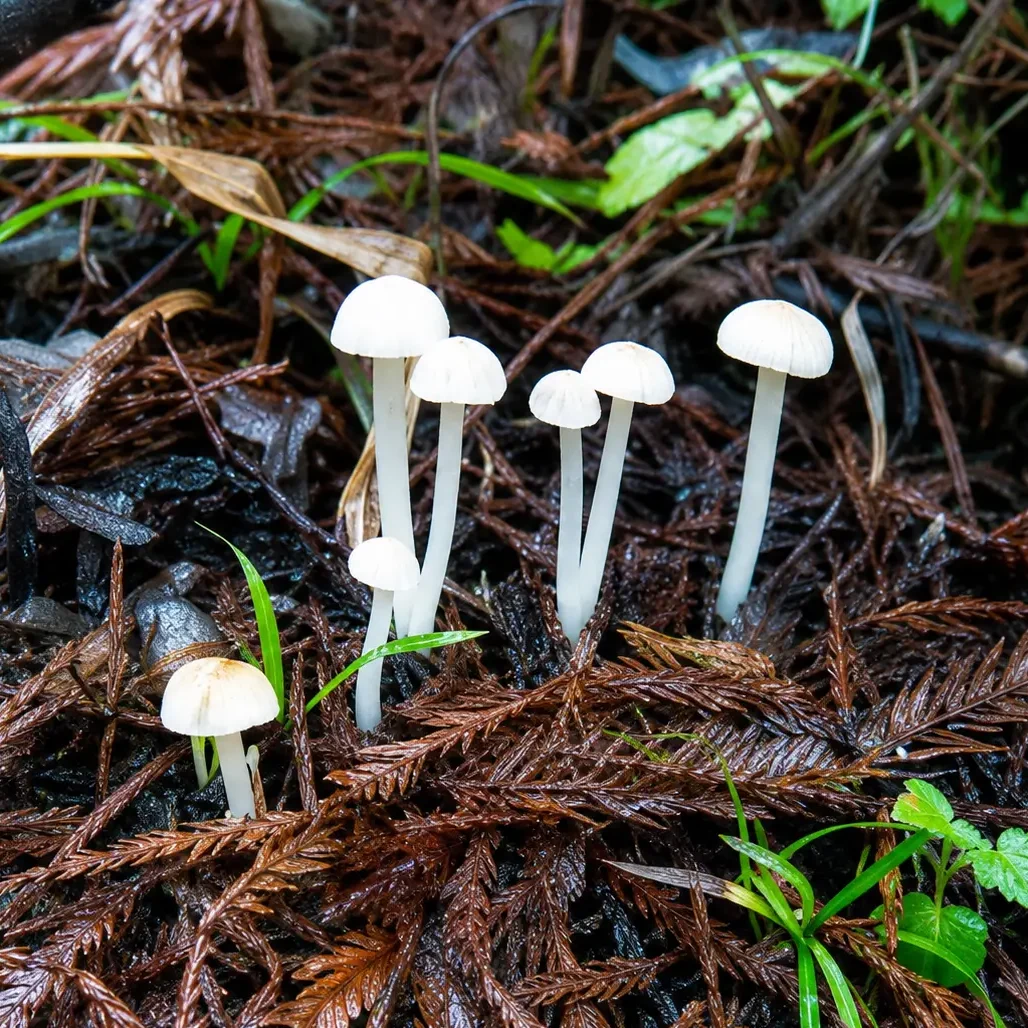
Fungi of STR
| SR. No. | Common name | Scientific name |
|---|---|---|
| 1 | Carnival Candy Slime Mold | Arcyria denudate (L.) Wettst. |
| 2 | White Dog Vomit | Fuligo septica var.candida (Pers.) (Meyl.) |
| 3 | Yellow Dog Vomit / Scrambled Egg Slime/ Vomit of Troll Cats | Fuligo septica var.flava (Pers.)Morgan |
| 4 | Field Mushroom | Agaricus campestris L. |
| 5 | Scaly Wood Mushroom | Agaricus langei (F.H.Moller) F.H.Moller |
| 6 | Inky Mushroom | Agaricus moelleri Wasser |
| 7 | Eastern Flat-topped Agarcus | Agaricus placomyces Peck |
| 8 | - | Agaricus subrutilescens (Kauffman) Hotson & D.E.stuntz |
| 9 | Inky Mushroom | Agaricus trisulphuratus Berk |
| 10 | Yellow Stainer | Agaricus xanthodermus Genev |
| 11 | Common Fieldcap | Agrocybe pediadades (Fr.) Fayod |
| 12 | White Ear Fungus | Campanella jundhuhnii (Mont.) Singer |
| 13 | Slimy White Ear Fungus | Camoabekka trustus (G. Stev.) Segedin |
| 14 | Green-spored Parasol | Chlorophyllum molybdites (G. Mey.) Massee |
| 15 | - | Clitopilus hobsonii (Berk.) P.D.Orton |
| 16 | - | Clitopilus scyphoides (Fr.) Singer |
| 17 | Fairy Inkcap | Coprinellus disseminates (Pers.) J.E. Lange |
| 18 | Orange-mat Coprinus / Ink Cap | Coprinellus radians (Desm.) Vilgalys |
| 19 | Flat Oysterling | Crepidotus applanatus (Pers.) P.Kumm |
| 20 | Magic Blue Gym | Gymnopilus aeruginosus (Peck) Singer |
| 21 | Alder Bolet | Gyrodon lividus (Bull.) Sacc |
| 22 | Baby Cap Fungus | Hebeloma angustilamellatum (Yang & Z.W.Ge) B.J.Rees |
| 23 | Yellow Mint Fungus | Heimiomyces velutipes (G.Stev.) J.A.Cooper |
| 24 | Weeping Widow | Lacrymaria lacrymabunda (Bull.) Pat |
| 25 | Flesh-brown Blewit, Dirty Blewit | Lepista sordida (Schumach.) Singer |
| 26 | - | Leucoagaricus meleagris (Gray) Singer |
| 27 | Ruby Dapperling | Leucoagaricus rubrotinctus (Peck) Singer |
| 28 | Plantpot Dapperling | Leucocoprinus birnbaumii (Corda) Singer |
| 29 | - | Leucocoprinus cepistipes (Sowerby) Pat |
| 30 | - | Leucocoprinus cretaceous (Bull.) Locq |
| 31 | - | Macrolepiota dolichaula (Berk. & Broome) Pegler & Rayner |
| 32 | - | Mallocybe unicolor (Peck) Matheny & Esteve-Rav |
| 33 | Milky Marasmiellus | Marasmiellus candidus (Fr.) Singer |
| 34 | - | Marasmius haematocephalus (Mont.) Fr. |
| 35 | Parachute Mushroom | Marasmius leveilleanus (Berk.) Sacc. & Trotter |
| 36 | - | Marasmius tenuissimus (Sacc.) Singer |
| 37 | Porcelain Fungus | Mucidula mucida (Schrad.) Pat |
| 38 | Burgundydrop Bonnet | Mycena haematopus (Pers.) P. Kumm |
| 39 | - | Oudemansiella canarii (Jungh.) Hohn |
| 40 | Petticoat Mottlegill | Panaeolus papilionaceus (Bull.) Quel |
| 41 | Red Velvet Mushroom | Parvixerocomus aokii (Hongo) Wu, Zeng & Yang |
| 42 | Tropical Black Bolete | Phlebopus portentosus (Berk. & Broome) Boedijn |
| 43 | Orange Mock Oyster | Phyllotopsis nidulans (Pers.) Singer |
| 44 | Pink Oyster, Flamingo Oyster | Pleurotus djamor (Rumph. ex Fr.) Boedijn |
| 45 | Oyster Mushroom | Pleurotus ostreatus (Jacq.) P.Kumm |
| 46 | Lung Oyster, Pale Oyster, Indian Oyster | Pleurotus pulmonarius (Fr.) Quel |
| 47 | Smoked Oysterling or Black Jelly Oyster | Resupinatus applicatus (Batsch) Gray |
| 48 | - | Saproamanita flavofloccosa (Nagas, & Hon.) Redh, Vizzini, Dreh. & Contu |
| 49 | Termite Mushroom | Termitomyces microcarpus (Berk. & Broome) R. Heim |
| 50 | Blackfooted Marasmius | Tetrapyrgos nigripes (Fr.) E. Horak |
| 51 | Scaley-stalked Puffball or Sandy Stilt Ball, or Desert Stalked Puffball | Battarrea phalloides (Dicks.) Pers |
| 52 | Citrine Puffball | Bovista citrine ( Berk, & Broome) Bottomley |
| 53 | Cup Cake Fungus | Calvatia cyathiformis (Bosc) Margan |
| 54 | White Basketball Fungus | Clathrus delicatus Berk. & Broome |
| 55 | Bird’s Nest Fungus / Splash Cups | Cyathus striatus (Huds.) Willd |
| 56 | Earth Star | Geastrum saccatum Fr. |
| 57 | White Stinkhorn | Itajahya galericulata Moller |
| 58 | Warted Puffball | Lycoperdon perlatum Pers |
| 59 | Bamboo Mushrooms, Long Net Stinkhorn or Veiled Lady | Phallus indusiatus Vent |
| 60 | Dead Man’s Foot / Dyeball / Horse Dung Fungus Bohemian Truffle | Pisolithus arhizus (Scop.) Rauschert |
| 61 | Stalked Puffball | Podaxis pistillaris (L.) Fr. |
| 62 | Yellow Puffball | Scleroderma citrinum Pers. |
| 63 | Orange Coral Fungus | Clavulinopsis corallinorosacea (Cleland) Corner |
| 64 | Golden Spindles | Clavulinopsis fusiformis (Sowerby) Corner |
| 65 | Coral Fungus | Pterula verticillata Corner |
| 66 | White Coral | Ramariopsis kunzei (Fr.) Corner |
| 67 | Pink Coral Fungus | Ramariopsis pulchella (Boud.) Corner |
| 68 | Orange Fan | Anthracophyllum archeri (Berk.) Pegler |
| 69 | Bracket Fungus | Coriolopsis polyzona (Pers.) Ryvarden |
| 70 | White – rot Fungus | Coriolopsis rigida (Berk. & Mont.) Murr |
| 71 | White Hairy Bracket | Elmerina holophaea (Pat.) Parmasto |
| 72 | - | Favolus gracilisporus Lee, Kim & Lim |
| 73 | Honeycomb Fungus | Favolus grammocephalus (Berk.) Imazeki |
| 74 | - | Favolus niveus J.L. Zhou & B.K.Cui |
| 75 | - | Fuscoporia gilva (Schwein.) T. Wagner & M. Fisch |
| 76 | Lingzhi | Ganoderma lingzhi Sheng Wu, Cao & Dai in Cao, Wu & Dai |
| 77 | - | Ganoderma resinaceum Boud |
| 78 | - | Gloeophyllum striatum (Fr.) Murrill |
| 79 | - | Gyrodontium sacchari (Spreng.) Hiortstam |
| 80 | Honeycomb Fungus | Pseudofavolus tenuis (Fr.) G. Cunn |
| 81 | - | Hydnopolyporus palmatus (Hook.) O. Fidalgo |
| 82 | - | Laetiporus miniatus (P. Karst.) Overeem |
| 83 | Polyporus | Microporus affinis (Blume & Nees ex Fr.) Kunt |
| 84 | Trumpet Fungus | Microporus xanthopus (Fr.) Kuntze |
| 85 | Polyporus | Microporellus obovatus (Jungh.) Ryvarden |
| 86 | - | Nigroporus vinosus (Berk.) Murrill |
| 87 | Funnel Fungus | Panus velutinus (Fr.) Sacc |
| 88 | Mustard Yellow Polypore | Phellinus gilvus (Schwein.) Pat. |
| 89 | Wine Glass Fungus, and Ruffled Paper Fungus | Podoscypha petaloides (Berk.) Boidin |
| 90 | Hexagonal – pored Polypore | Polyporus alveolaris Bosc |
| 91 | - | Polyporus tricholoma Mont |
| 92 | Orange Polypore | Pycnoporellus fulgens (Fr.) Donk |
| 93 | Scarlet Bracket | Pycnoporus coccineus (Fr.) Bondartsev & Singer |
| 94 | - | Ranadivia allantoidea (M.L.Han, B.K. Cui & Y.C. Dai) Zmitr |
| 95 | Concentric Polypore | Ranadivia modesta (Kunze ex Fr.) Zmitr |
| 96 | Common Split Gill, Split Gill or Chinese Fan | Schizophyllum commune Fr. |
| 97 | Polyporus | Trametes flavida (Leveille) Zmitrovich, Wasser & Ezhov |
| 98 | - | Calocera cornea (Batsch) Fr. |
| 99 | Fan – shaped Jelly Fungus | Dacryopinax spathularia (Schwein.) G.W. Martin |
| 100 | Yellow Brain | Tremella mesenterica Retz |
| 101 | White Jelly | Tremella reticulate (Berk.) Farl |
| 102 | Coral Mushroom | Tremellodendron pallidum (Schwein.) Burt |
| 103 | Pavetta Rust | Kulkarniella pavettae Gokhale & Patel |
| 104 | Smut of Jowar, Sorghum Smut and Kernel Smut | Sphacelotheca sorghi (Ehrenb. Ex Link) G.P.Clinton |
| 105 | White Disc | Calycina vulgaris (FR.) Baral |
| 106 | Green Elfcup | Chlorociboria aeruginascens (Nyl.) Kanouse ex C.S.Ramamurthi, Korf & L.R.Batra |
| 107 | Faint Orange Cup Fungus | Cookeina sinensis Zheng Wang |
| 108 | Pale Orange Stalked Cup | Cookeina tricholoma (Mont.) Kuntze |
| 109 | Yellow Saucer | Lachnellula calyciformis (Willd. ex Fr.) Dharne |
| 110 | Ciliated Ascomycete | Lasiobolus ciliates (J.C. Schmidt) Boud |
| 111 | Eyelash Cup, Molly Eye-winker or The Scarlet Elfcap | Scutellinia scutellata (L.) Lambotte |
| 112 | - | Tryblidaria maharastrensis Anahosur |
| 113 | Black Earth Tongue | Trichoglossum hirsutum (Pers.) Boud |
| 114 | Charcoal Stump Rot | Ustulina deusta (Hoffm.) Maire |
| 115 | Dead Moll’s Fingers | Xylaria longipes Nitschke |
| 116 | Dead Mans Finger | Xylaria gigantean Ces |
| 117 | Black Lolypop | Xylaria polymorpha (Pers.) Grev |
| 118 | Coal Fungus | Daldinia eschscholtzii (Ehrenb.) Rehm |
| 119 | - | Arthothelium saxicola Makhija & Patw |
| 120 | Rock White Paint | Caloplaca flavorubescens (Huds.) J.R. Laundon |
| 121 | - | Caloplaca inconspecta Arup |
| 122 | - | Circinaria calcarea (L.) A. Nordin, Savic & Tibell |
| 123 | Script Lichen | Graphis bungartzii Barcenos – Pena, Lucking, Herrera Campos & R. Miranda |
| 124 | Script Lichen | Campos & R. Miranda |
| 125 | Script Lichen or Secret Writing Lichen | Grophis duplicate Ach |
| 126 | - | Grophis scripta (L.) Ach |
| 127 | - | Lecanora chlarotera Nyl |
| 128 | Wart Lichens | Lecanora fimbriatula Stirt |
| 129 | - | Porina angusta Makhija, Adaw, & Patw |
| 130 | Foliar Lichen | Strigula smaragdula Fr. |
| 131 | Stippleback Lichens | Dermatocarpon vellereum Zschacke |
| 132 | - | Leptogium javanicum Mont |
| 133 | Spice Lichen | Parmotrema tinctorum (Despr.ex Nyl.) Hale |
| 134 | Orange Lichen, Maritime Sunburst Lichen | Xanthoria parietina (L.) Beltr |
| 135 | Old Man’s Beard, Beard Lichen, or Beard Moss | Usnea complanata (Mull.Arg.) Motyka |
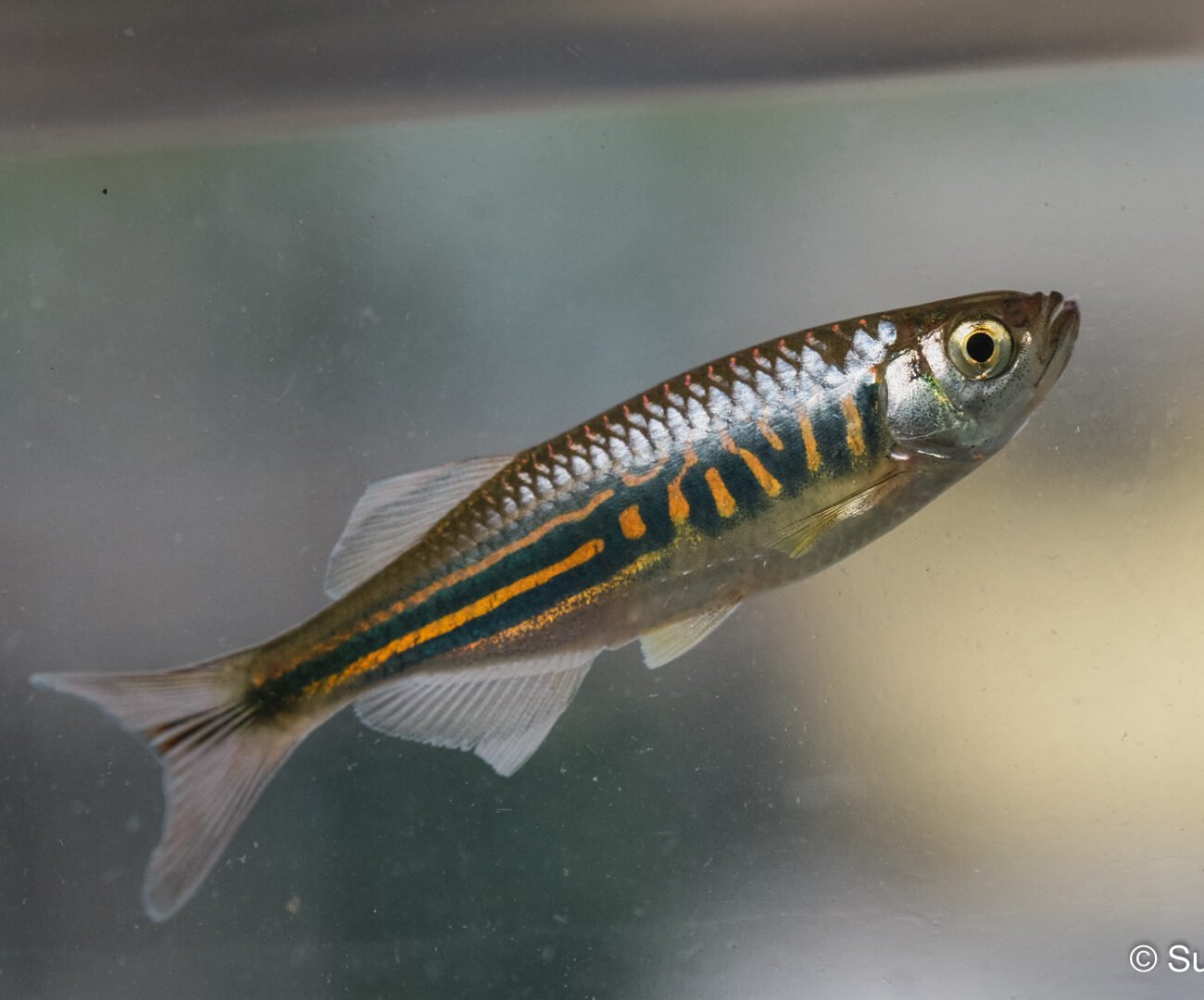
Fishes of Sahyadri Tiger Reserve
| Sr. No. | Common Name | Scientific Name | IUCN Status |
|---|---|---|---|
| 1 | Mola Carplet | Amplyphayngodon mola | LC |
| 2 | Kalabans | Bangana dero | LC |
| 3 | Baril | Barilius bendelisis | LC |
| 4 | Reba Carp | Cirrhinus reba | LC |
| 5 | Giant Danio | Devario aequipinniatus | LC |
| 6 | Tunga Garra | Garra bicornuta | NT |
| 7 | Stone Sucker | Garra mullya | LC |
| 8 | Nilgiri Stone Sucker | Garra gotyla stenorhynchus | LC |
| 9 | Jerdoni Carp | Hypselobarbus jerdoni | LC |
| 10 | Shooting Barb | Hypselobarbus kolus | VU |
| 11 | Calbasu | Labeo calbasu | LC |
| 12 | Peninsular Osteobrama | Osteobrama peninsularis | LC |
| 13 | Nash’s Barb | Osteochilichthys nashii | LC |
| 14 | Thomassi Barb | Osteochilus thomassi | LC |
| 15 | Rosy Barb | Pethia conchonius | LC |
| 16 | Sanjaymoluri Barb | Pethia sanjaymoluri | DD |
| 17 | Scarlet-spotted Barb | Puntius amphibius | DD |
| 18 | Chola Barb | Puntius chola | LC |
| 19 | Maharaja Barb | Puntius sahyadrienis | LC |
| 20 | Spot-fin Swamp Barb | Puntius sophore | LC |
| 21 | Black-line Rasbora | Rasbora daniconius | LC |
| 22 | Vatani Rohtee | Rohtee ogilbii | LC |
| 23 | Large Razorbelly Minnow | Salmophasia bacaila | LC |
| 24 | Novacula Razorbelly Minnow | Salmophasia novacula | LC |
| 25 | Razorbelly Minnow | Salmophasia boopis | LC |
| 26 | Sardinella Razorbelly Minniow | Salmophasia sardinella | LC |
| 27 | Nukta | Schismatorhynchus nukta | EN |
| 28 | Olive Barb | Systomus sarana | LC |
| 29 | Gangetic Latia | Tariqilabeo latius | LC |
| 30 | Deccan Mahaseer | Tor khudree | EN |
| 31 | Evezardi Loach | Indoreonectes evezardi | LC |
| 32 | Denisoni Loach | Schistura denisoni | LC |
| 33 | Zebra Loach | Botia striata | EN |
| 34 | Ratangiri Minnow | Parapsilorhynchus discophorus | VU |
| 35 | Malabar Loach | Lepidocephalus thermalis | LC |
| 36 | Giant River Catfish | Sperata seenghala | LC |
| 37 | Gangetic Mystus | Mystus cavasius | LC |
| 38 | Jerdon’s Mystus | Mystus montanus | LC |
| 39 | Walking Catfish | Clarias magur | EN |
| 40 | Giant Snake-head | Channa marulius | LC |
| 41 | Spotted Snake-head | Channa punctatus | LC |
| 42 | Dwarf Snake-head | Channa gachua | LC |
| 43 | Spiny Eel | Mastacembelus armatus | LC |
| 44 | Spotted Spiny Eel | Macrognathus pancalus | LC |
| 45 | Indian Glassy Fish | Parambasiss ranga | LC |
| 46 | Glassy Perchlet | Parambasiss thomassi | LC |
| 47 | Freshwater Garfish | Xenetodon cancila | LC |
| 48 | Tank Goby | Glossogobius giuris | LC |
| 49 | Striped Panchax | Aplocheilus lineatus | LC |
| 50 | Mozambique Tilapia | Oreochromis mossambicus | NT |
| 51 | - | Notopterus notopterus | LC |
| 52 | Indian Mottled Eel | Anguilla bengalensis | NT |
| 53 | Barna Baril | Barilius barna | LC |
| 54 | Deccan White Carp | Cirrhinus fulungee | LC |
| 55 | Gangetic Latia | Crossocheilus latius | LC |
| 56 | - | Gonoproktopterus curmuca | EN |
| 57 | - | Labeo boga | LC |
| 58 | - | Labeo boggut | LC |
| 59 | - | Labeo porcellus | LC |
| 60 | Godavari Osteobrama | Osteobrama vigorsii | LC |
| 61 | - | Osteochilichthys godavarienesis | - |
| 62 | - | Puntius jerdoni | LC |
| 63 | - | Puntius sarana subnasutus | - |
| 64 | - | Puntius ticto | - |
| 65 | Bloch Razorbelly Minnow | Salmophasia balookee | LC |
| 66 | - | Acanthocobitis mooreh | NA |
| 67 | - | Nemachilichthys ruppelli | NA |
| 68 | - | Noemacheilus anguilla | NA |
| 69 | - | Schistura denisoni | LC |
| 70 | - | Mystus bleekeri | LC |
| 71 | - | Mystus malabaricus | NT |
| 72 | - | Mystus seengtee | LC |
| 73 | - | Ompok bimaculatus | NT |
| 74 | - | Clupisoma taakree | - |
| 75 | - | Neotropius khavalchor | DD |
| 76 | - | Glyptothorax lonah | LC |
| 77 | - | Glyptothorax poonaensis | EN |
| 78 | - | Glyptothorax trewavasae | VU |
| 79 | - | Monopterus cf. indicus | - |
| 80 | Elongate Glass Perchlet | Chanda nama | LC |
| 81 | - | Pseudambassis ranga | - |
| 82 | Barey Goby | Glossogobius giuris | LC |
| 83 | - | Gonoproktopterus curmuca | - |
| 84 | - | Parapsilorhynchus cf. tentaculatus | - |
| 85 | - | Mastacembelus aramatus | - |
| 86 | Slender Barb | Rasbora daniconius | LC |
| 87 | - | Aorichthys seenghala | - |
| 88 | - | Aspidopayia morar | - |
| 89 | - | Blitora laticauda | - |
| 90 | - | Barillus gatensis | - |
| 91 | Catla | Catla catla | LC |
| 92 | Snakehead Murrel | Channa striatus | LC |
| 93 | - | Cirrhinus mrugala | - |
| 94 | - | Clarias batrachus | LC |
| 95 | - | Ctenopharynjdon idella | - |
| 96 | - | Cyprinus carpio | VU |
| 97 | - | Danio aeguipannatus | - |
| 98 | - | Gonoproktpterus kolus | - |
| 99 | - | Hypothalymichthyes molitrix | - |
| 100 | - | Hypselobarbus dabsoni | - |
| 101 | - | Labeo ariza | LC |
| 102 | Deccan Labeo | Labeo potail | EN |
| 103 | Rohu | Labeo rohita | LC |
| 104 | - | Nemachelius denisoni | - |
| 105 | - | Puntis conchonius | - |
| 106 | - | Puntis parrah | - |
| 107 | - | Salmostoma clupeoides | - |
| 108 | - | Tor mussaiiah | - |
| 109 | - | Tor putitora | EN |
| 110 | - | Wallagu attu | - |
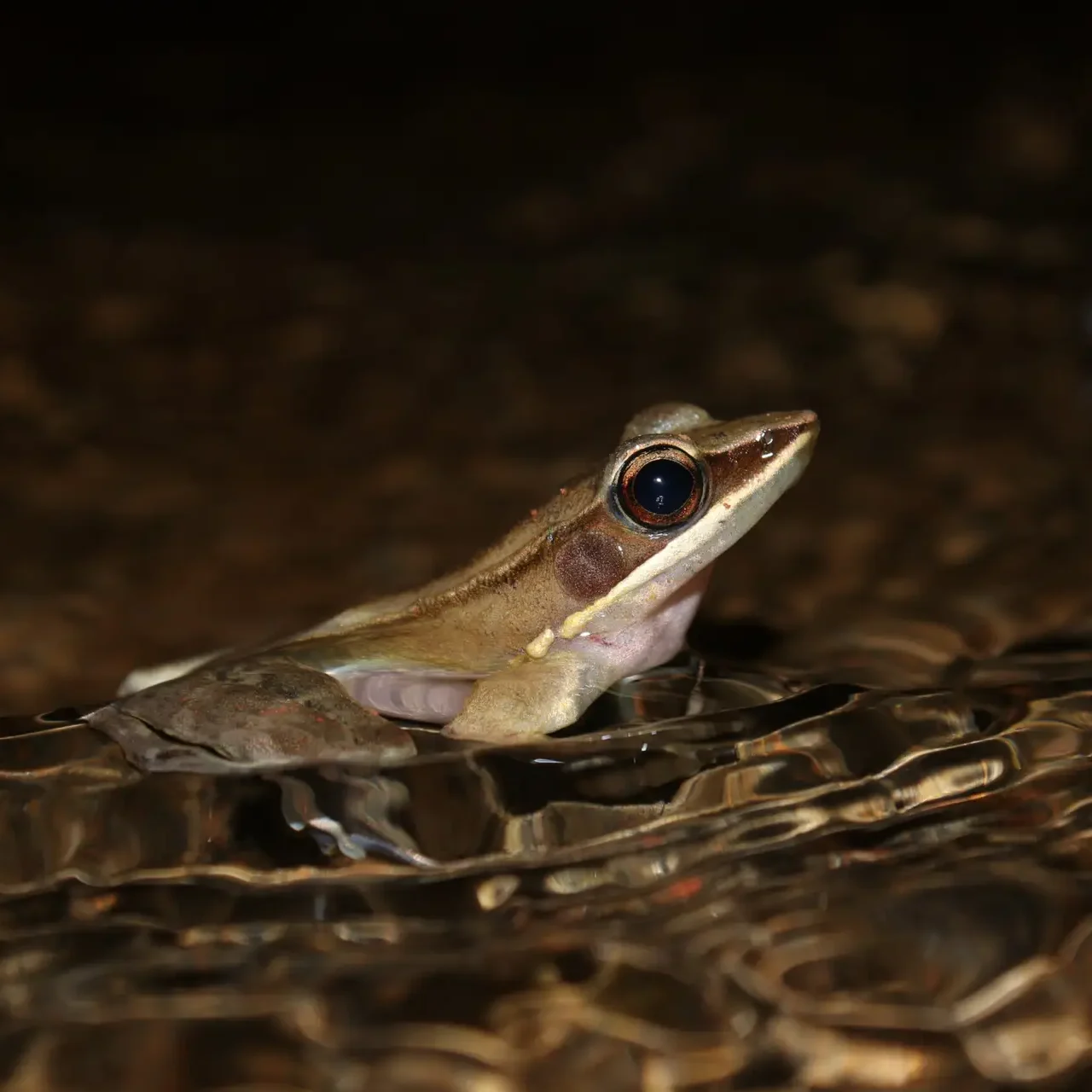
- Skittering frog
- Indian burrowing frog
- Bicolored frog
- Indian bullfrog
- Leith's leaping frog
Amphibians of Sahyadri Tiger Reserve
| Sr. No. | Common Name | Scientific name | IUCN Status |
|---|---|---|---|
| 1 | Skittering frog | Euphlyctis cyanophlyctis | LC |
| 2 | Indian burrowing frog | Sphaerotheca breviceps | LC |
| 3 | Bicolored frog | Clinotarsus curtipes | NT |
| 4 | Indian bullfrog | Hoplobatrachus tigerinus | LC |
| 5 | Leith's leaping frog | Indirana leithii | VU |
| 6 | Maharashtra Golden-backed Frog | Indosylvirana caesari | NA |
| 7 | Marbled Ramanella | Uperodon mormorata | EN |
| 8 | Fungoid frog | Hydrophylax malabaricus | LC |
| 9 | Bombay night frog | Nyctibatrachus humayuni | VU |
| 10 | Ghate's bush frog | Raorchestes ghatei | LC |
| 11 | Koyna toad | Xanthophryne koynayensis | EN |
| 12 | Asian common toad | Duttaphrynus melanostictus | LC |
| 13 | Indian balloon frog | Uperodon globulosus | LC |
| 14 | Humbarli caecilian | Indotyphlus maharashtraensis | DD |
| 15 | Malabar Tree Toad | Pedostibes tuberculosus | LC |
| 16 | Bombay wart frog | Fajervarya sahyadrensis | LC |
| 17 | Beddoms leaping frog | Indirana beddomii | EN |
| 18 | Common indian tree frog | Polypedates maculates | LC |
| 19 | Marbled Toad | Duttaphrynus stomaticus | LC |
| 20 | Red Narrow-mouthed Frog | Microhyla rubra | LC |
| 21 | Malabar Tree Toad | Pedostibes tuberculosus | LC |
| 22 | Eluru Dot Frog | Ramanella variegata | LC |
| 23 | Indian Pond Frog | Euphlyctis hexadactylus | LC |
| 24 | Short Webbed Frog | Fejervarya brevipalmata | DD |
| 25 | Kerala Warty Frog | Fejervarya keralensis | VU |
| 26 | Rufescent Burrowing Frog | Fejervarya rufescens | NT |
| 27 | Bombay Wart Frog | Fejervarya syhadrensis | - |
| 28 | Jerdon's Bullfrog | Hoplobatrachus crassus | LC |
| 29 | Bronze Frog | Hylarana temporalis | VU |
| 30 | Beddome's Indin Frog | Indirana beddomii | EN |
| 31 | Ornate Narrow-mouthed Frog | Microhyla ornata | LC |
| 32 | Daniel's Night Frog | Nyctibatrachus danieli | EN |
| 33 | Jerdon's Ramanella | Ramanella montana | NT |
| 34 | Maharashtra Bush Frog | Raorchestes bombayensis | LC |
| 35 | Southern Buble-nest Frog | Raorchestes glandulosus | VU |
| 36 | Kudremukkh Budh Frog | Raorchestes tuberohumerus | LC |
| 37 | Dobson's Burrowing Frog | Sphaerotheca dobsonii | LC |
| 38 | Bombay Caecilian | Ichthyophis bombayensis | LC |
| 39 | Yellow striped caecilian | Ichthyophis beddomei | LC |
| 40 | Karaavali skittering frog | Euphlyctix ef, karaavalt | NA |
| 41 | Joshy’s Skittering Frog | Euphlyetis of. mudigere | NA |
| 42 | CEPF Burrowing Frog | Fejervarya cepfi | NA |
| 43 | Wrinkled Fejervarya | Fejervarya ef. caperata | LC |
| 44 | Western Burrowing Frog | Sphaerotheca pashchima | NA |
| 45 | Laterite narrow-mouthed Frog | Microhyla laterite | NA |
| 46 | Widespread Fungoid Frog | Hydrophylax bahuvistara | NA |
| 47 | Amboli Leaping Frog | Indiraana Chiravasi | NA |
| 48 | Amboli Bush Frog | Pseudophilautus amboli | CR |
| 49 | Bombay Night Frog | Nyctibatrachus humayuni | VU |
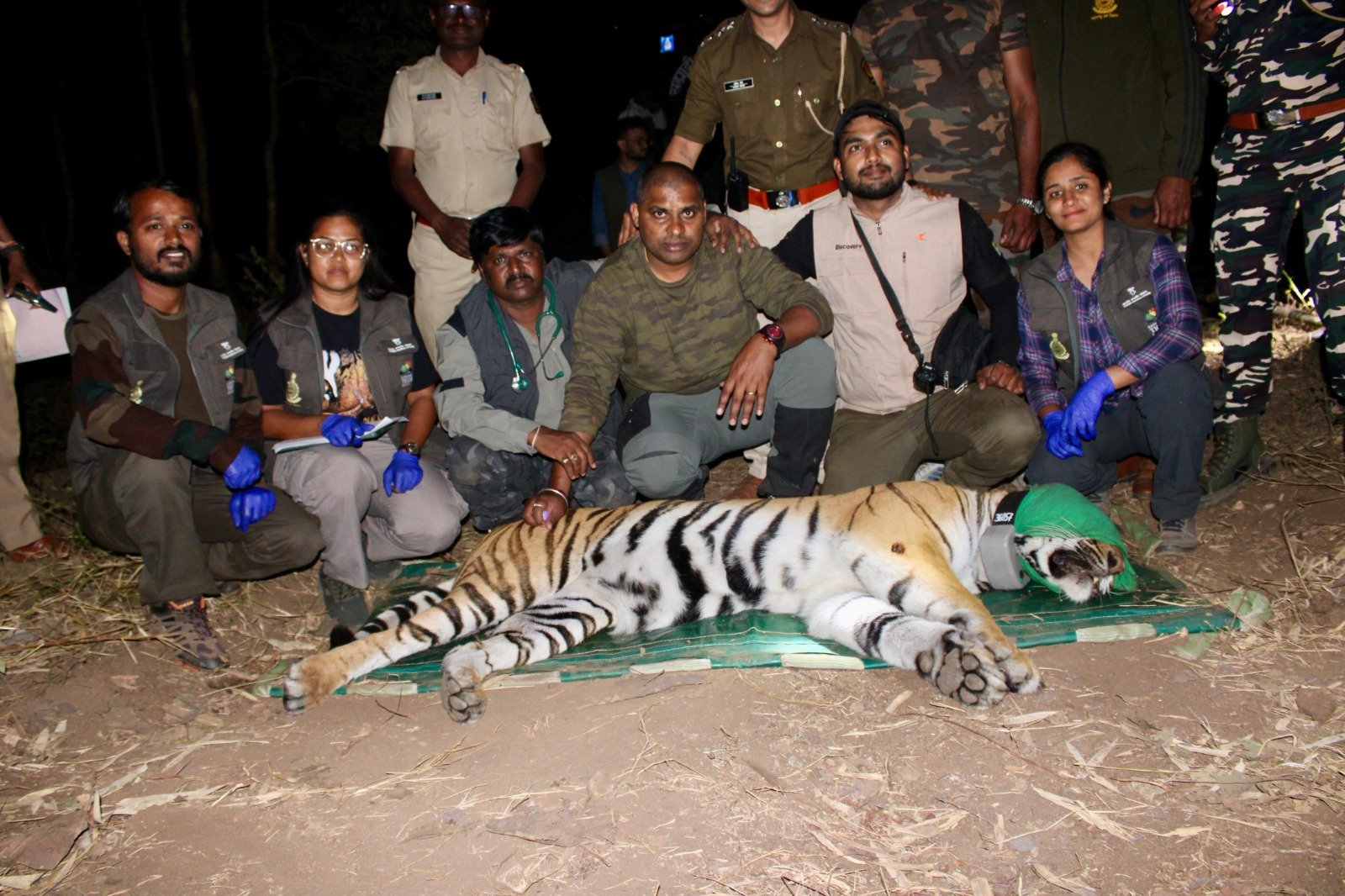
Meet Our Tigers
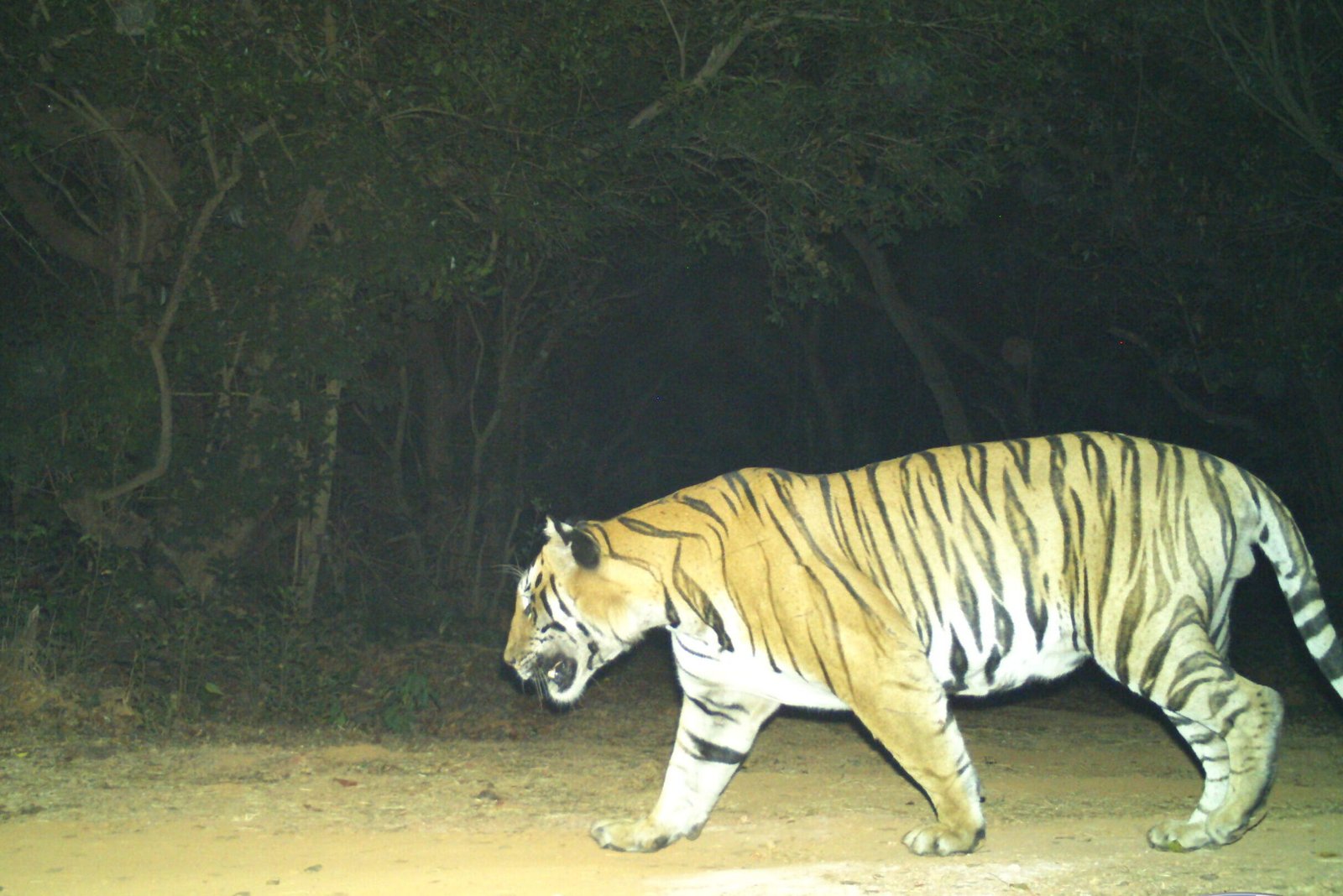
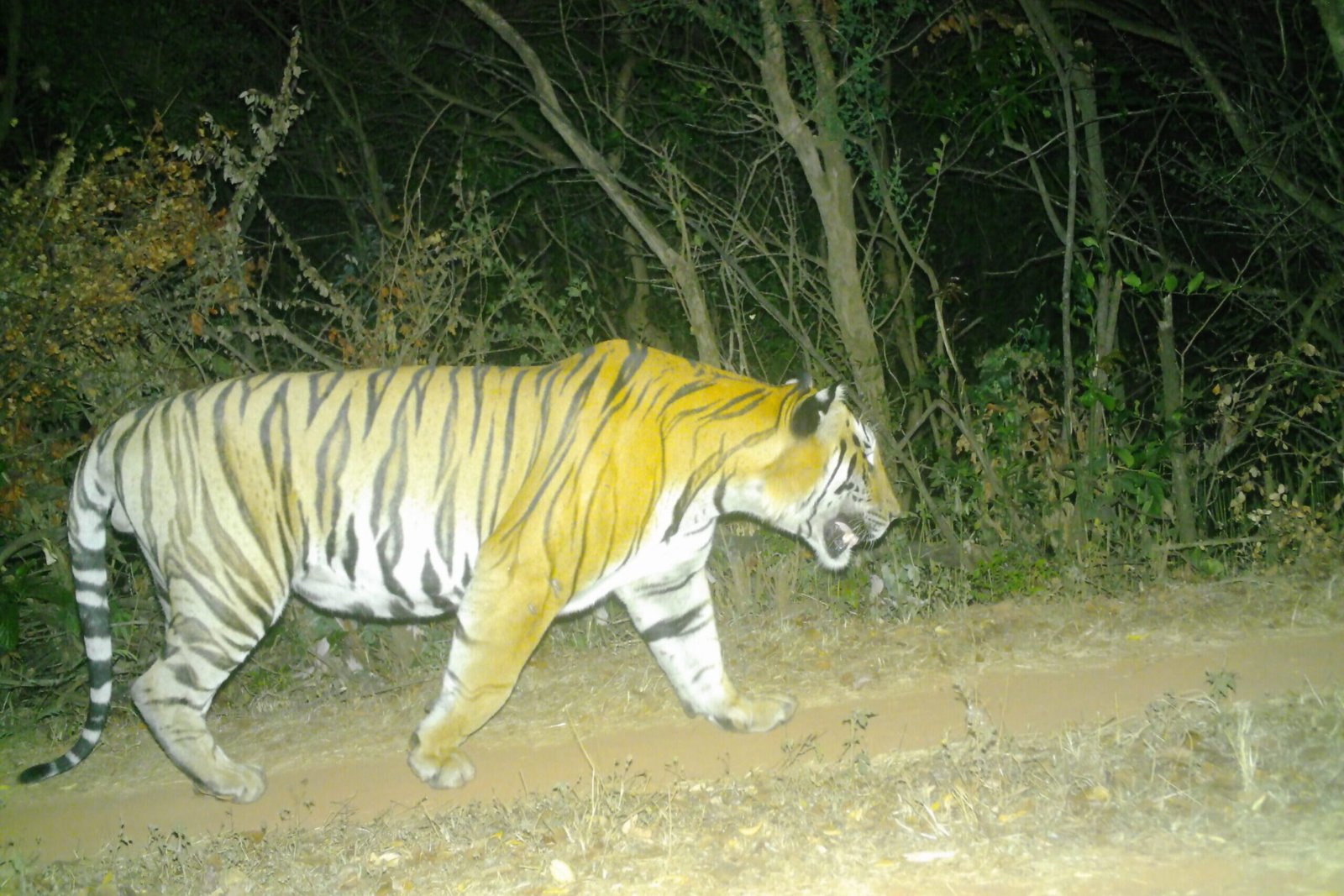
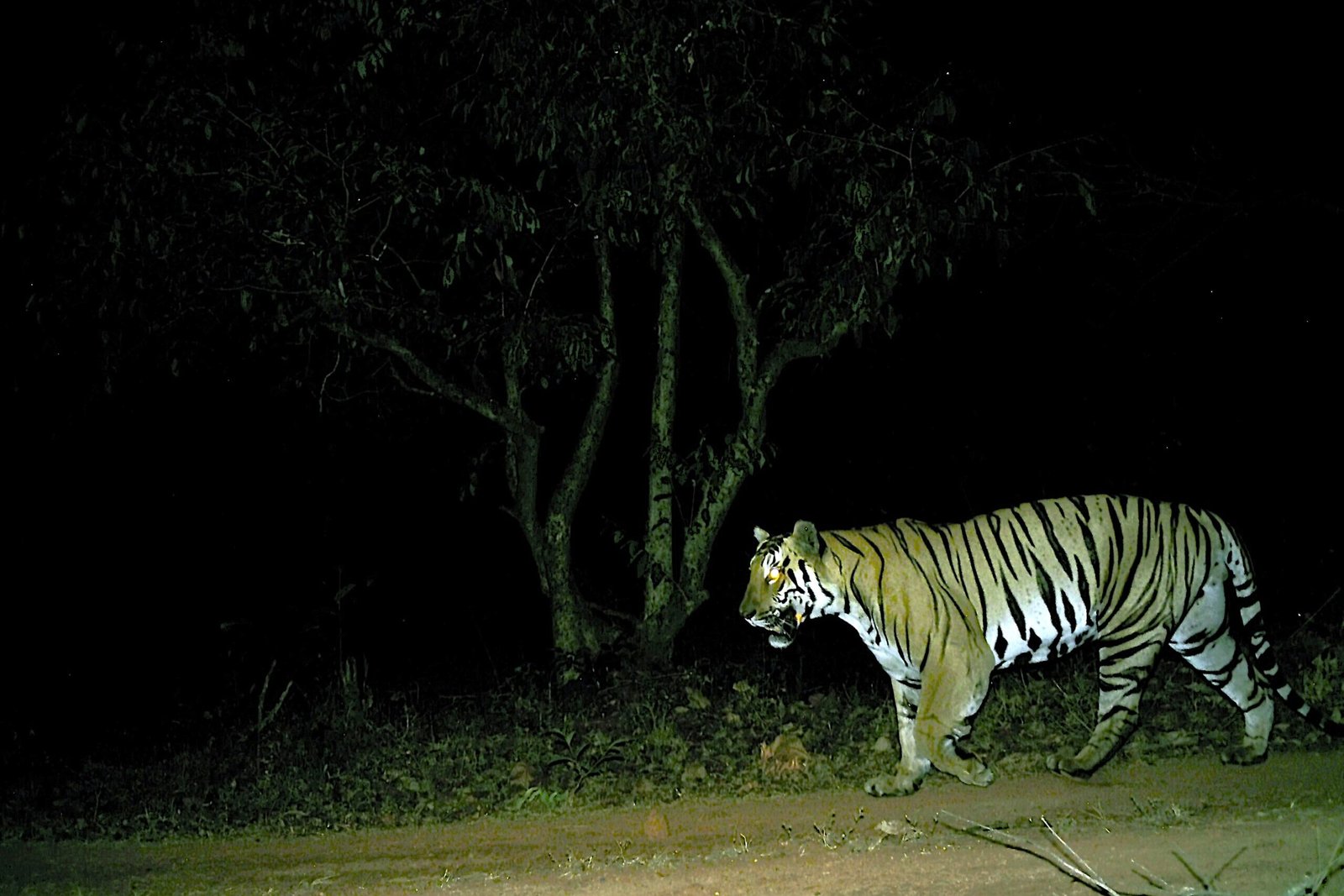
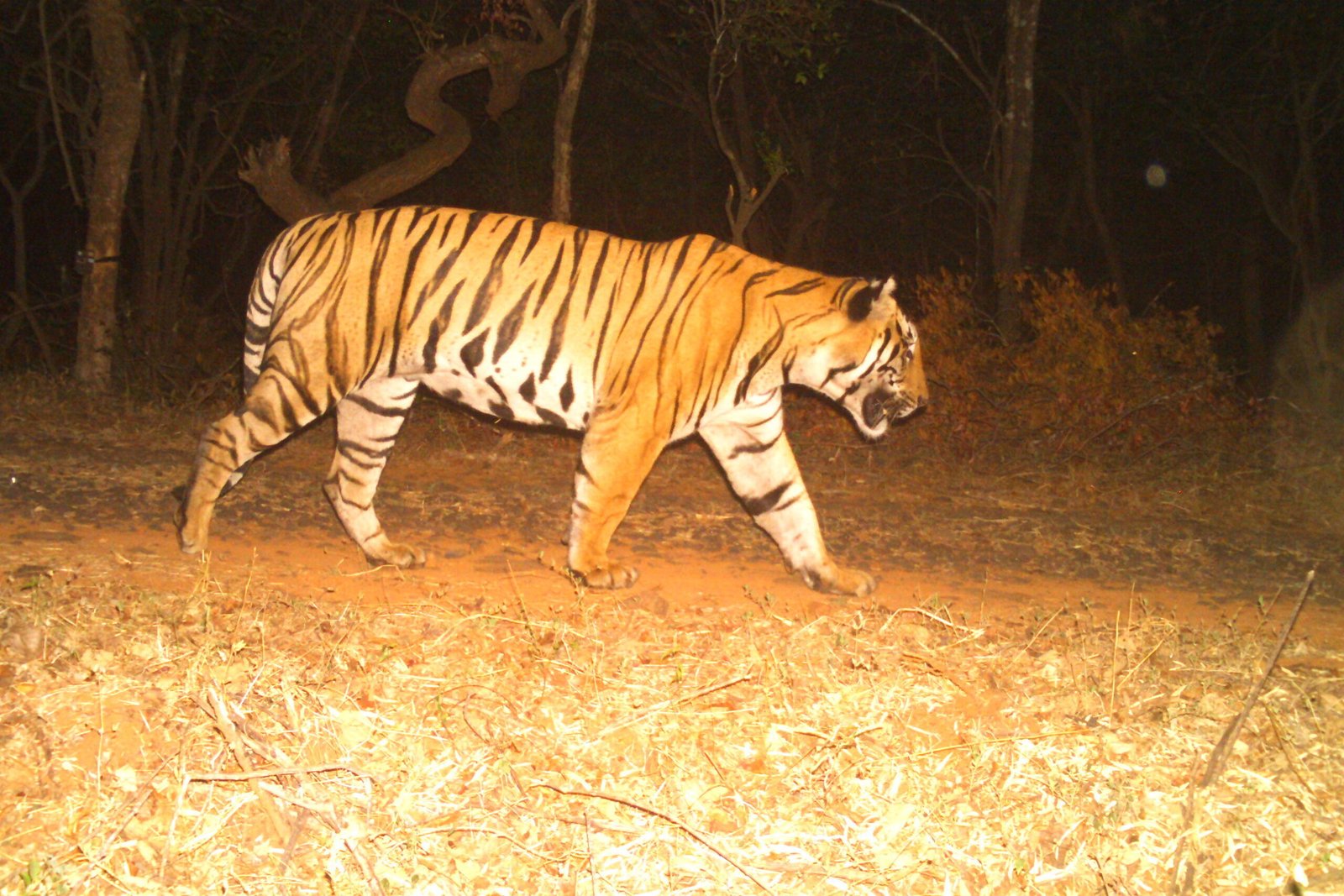
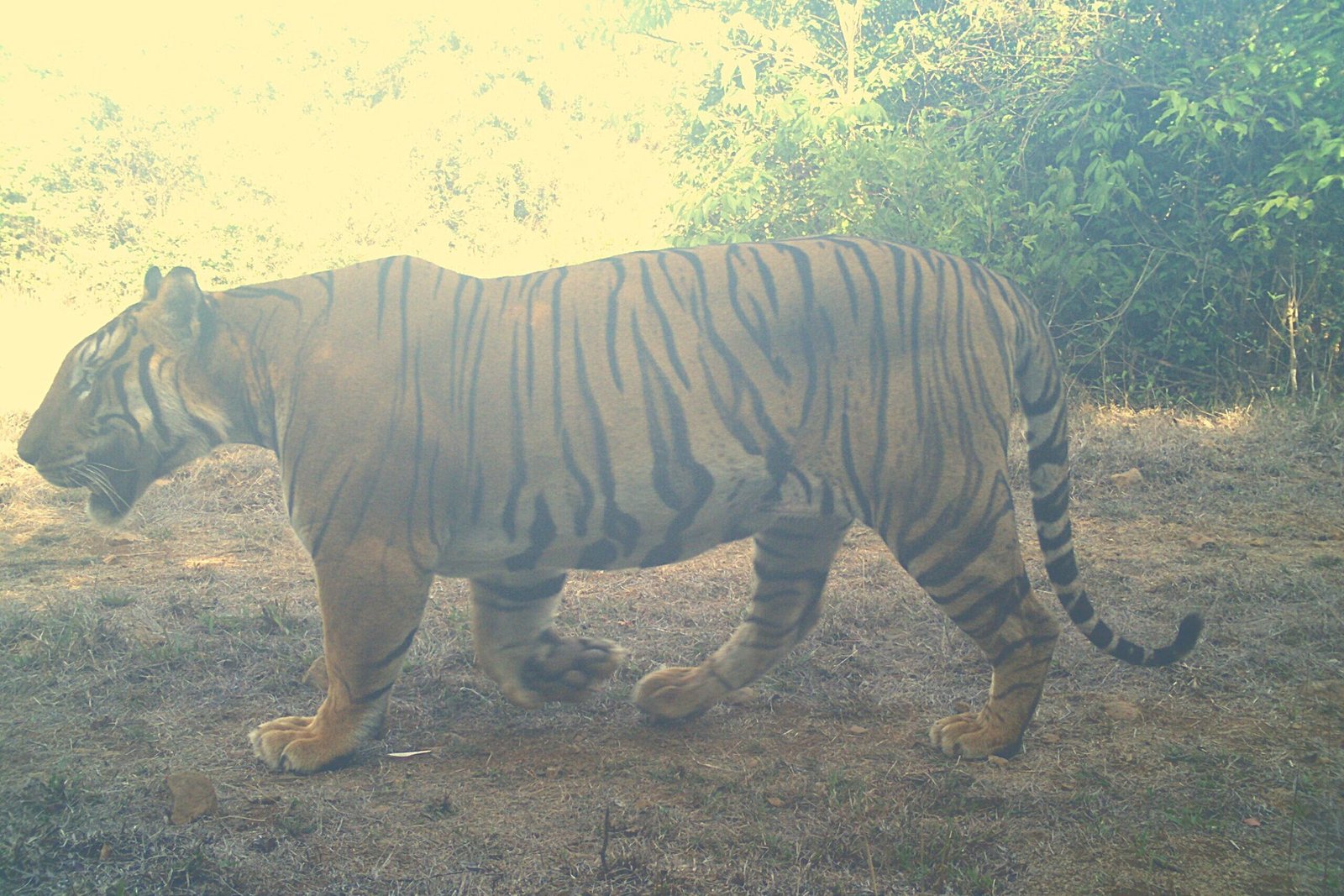
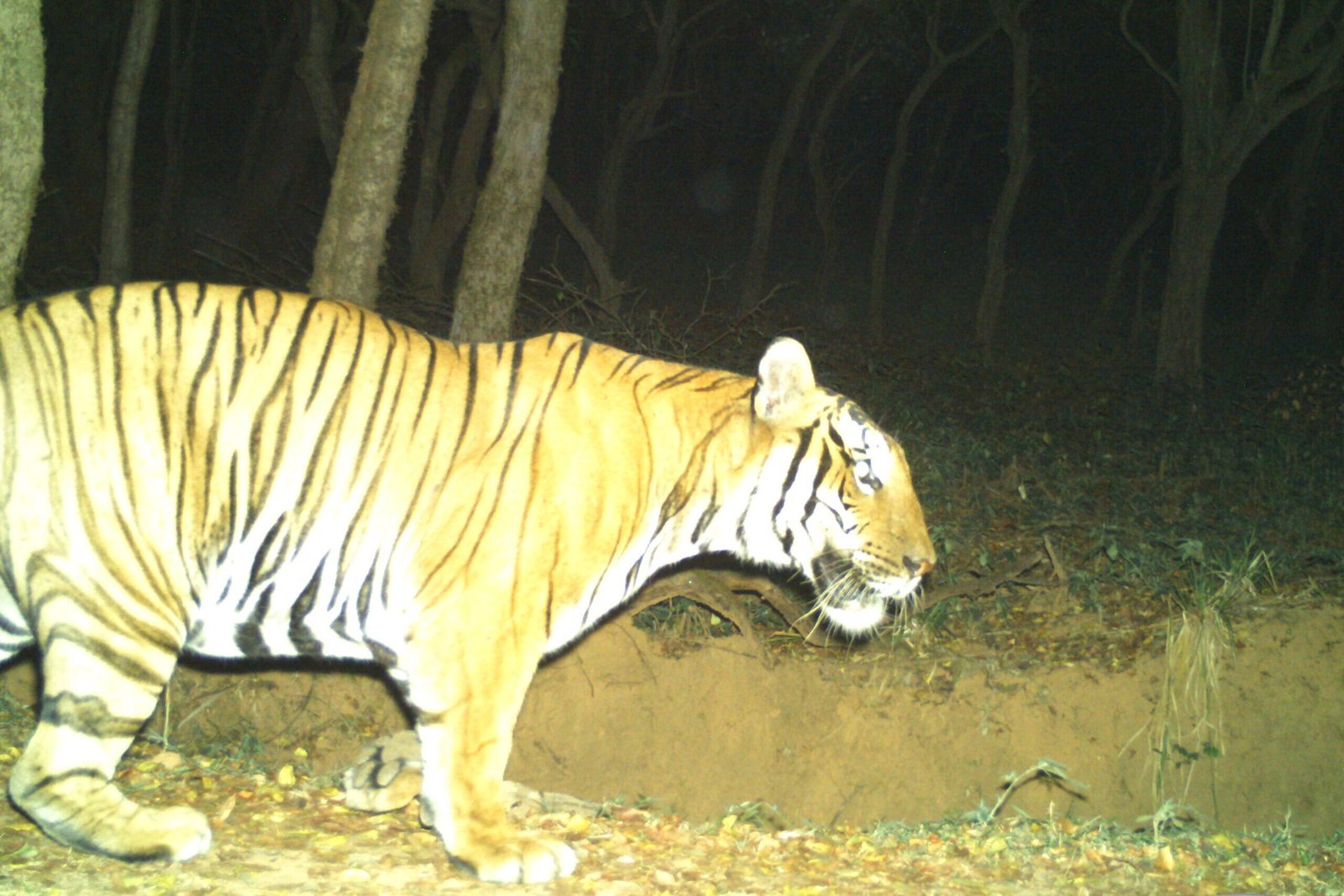
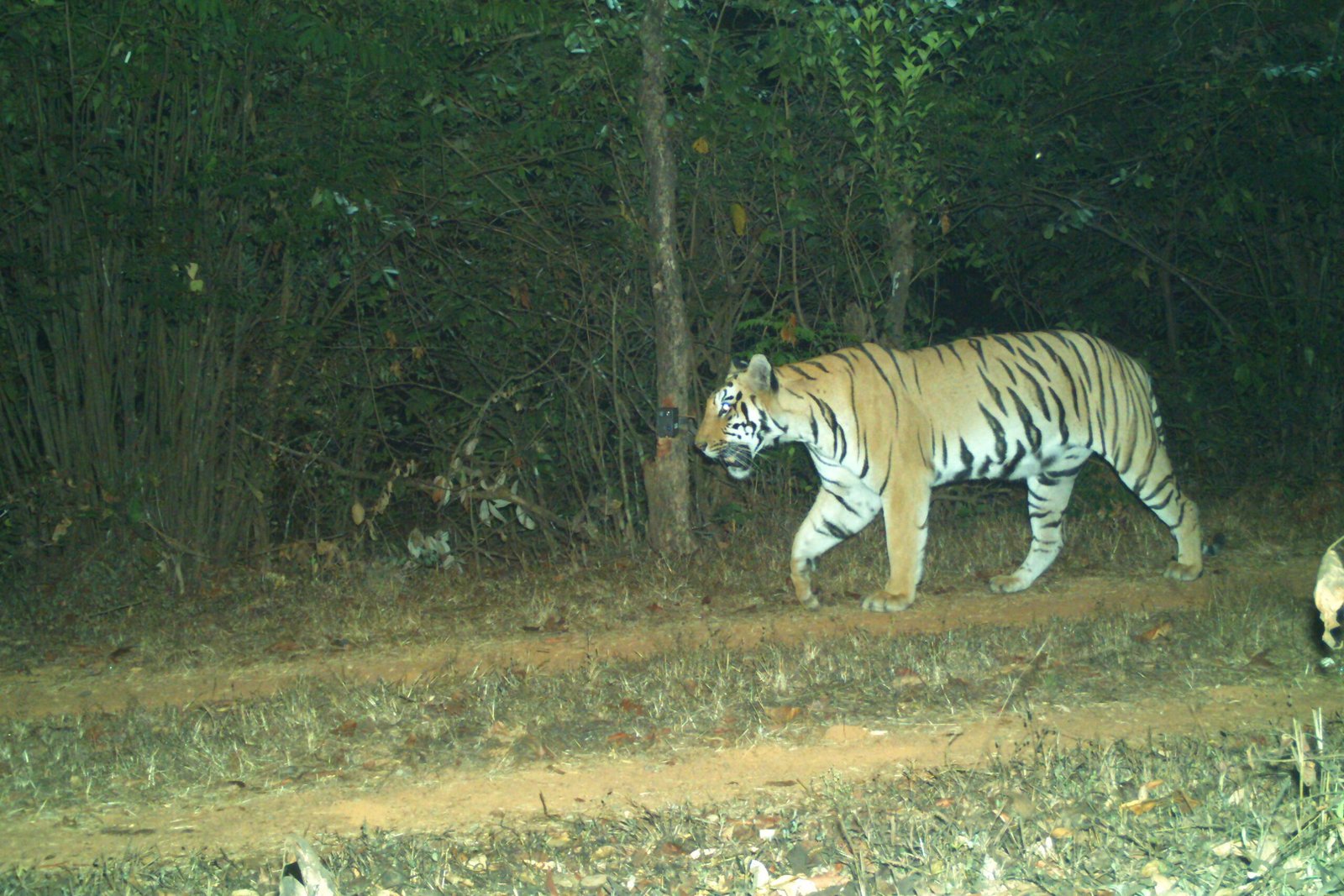
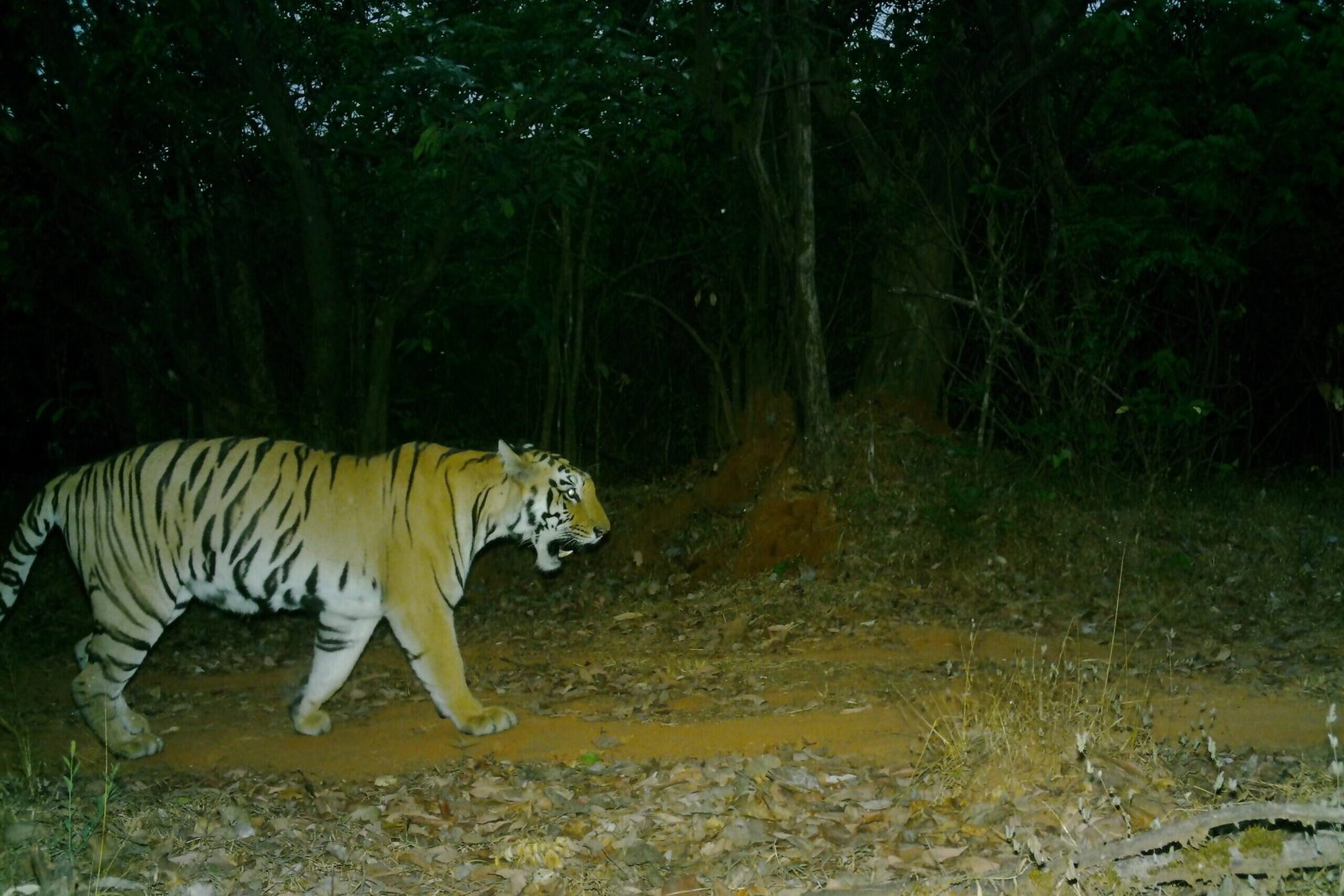

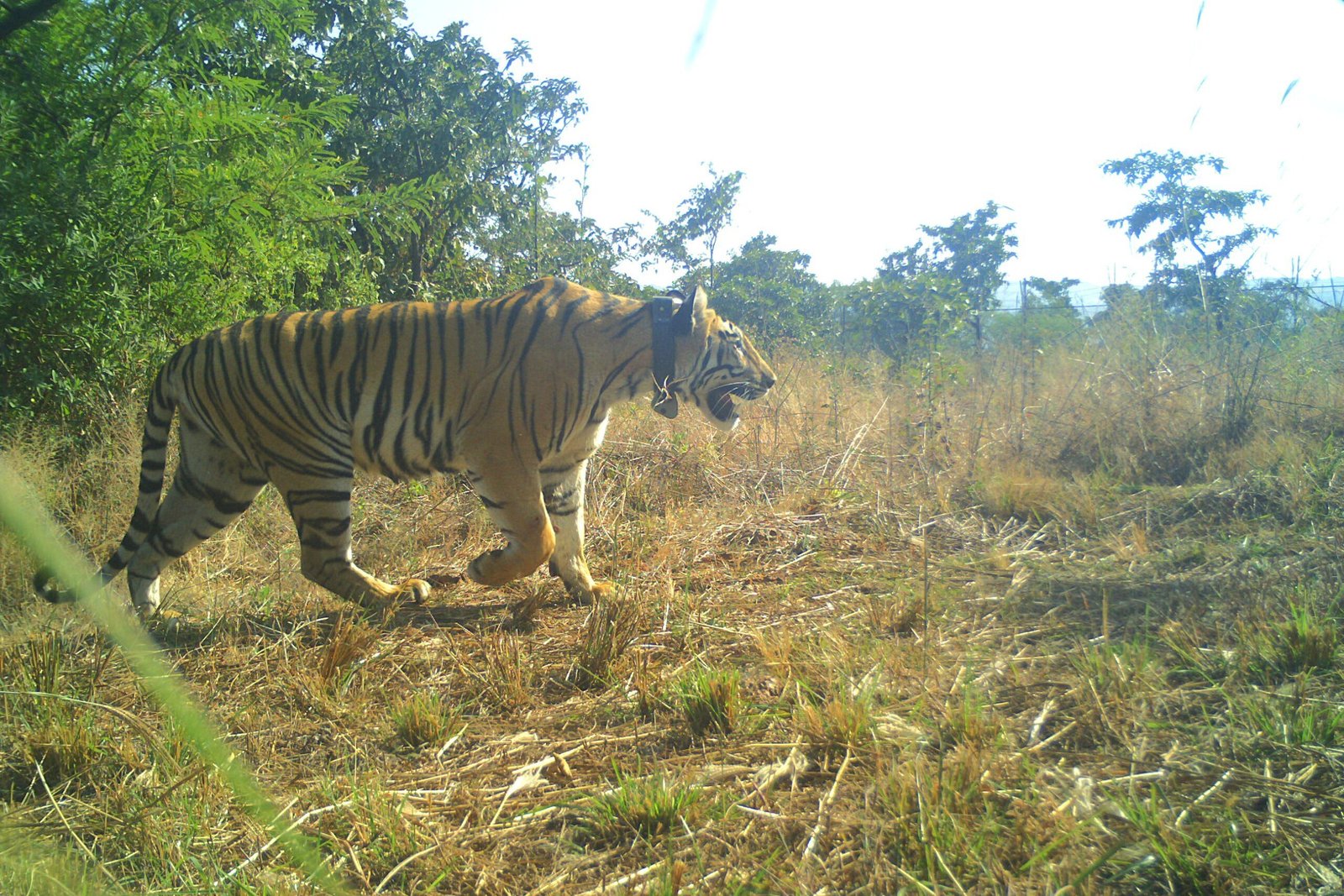
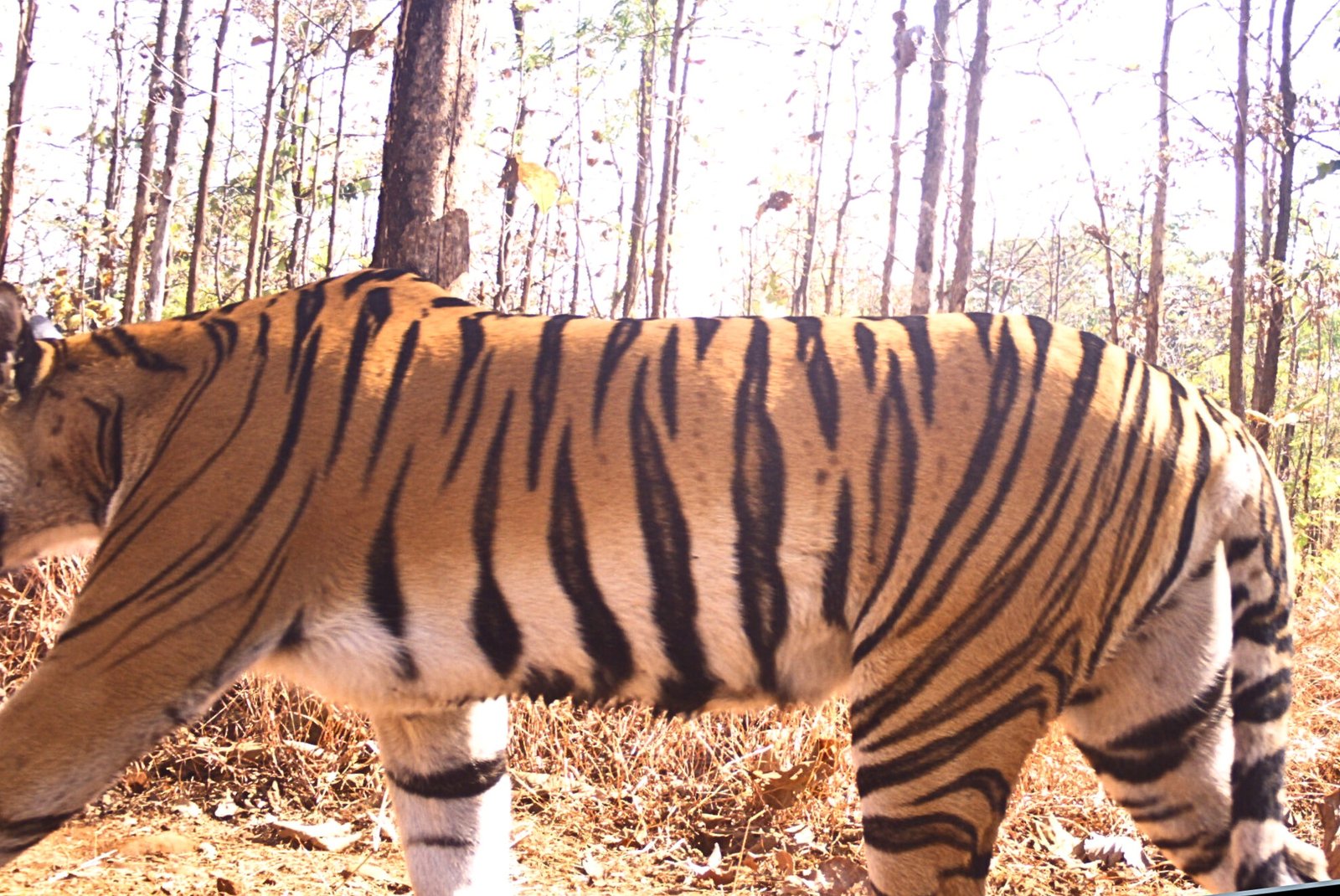
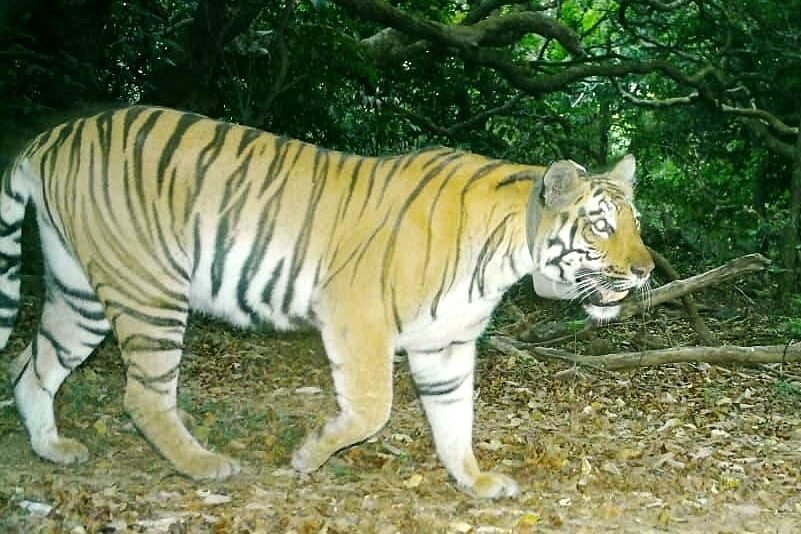
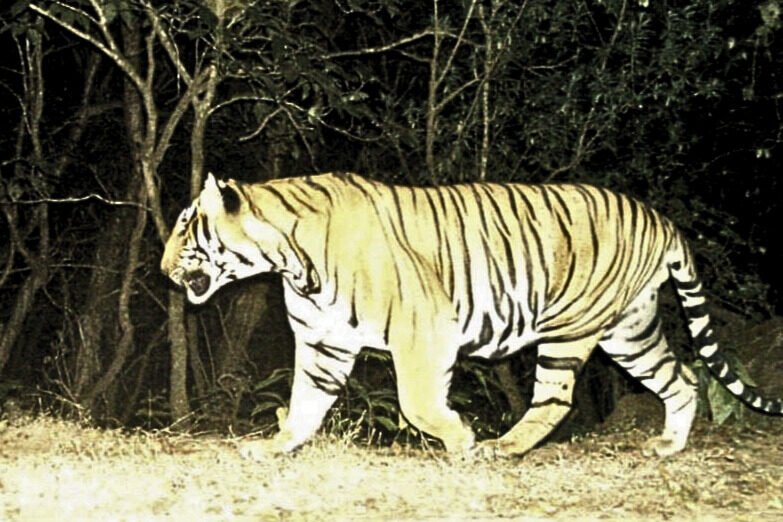
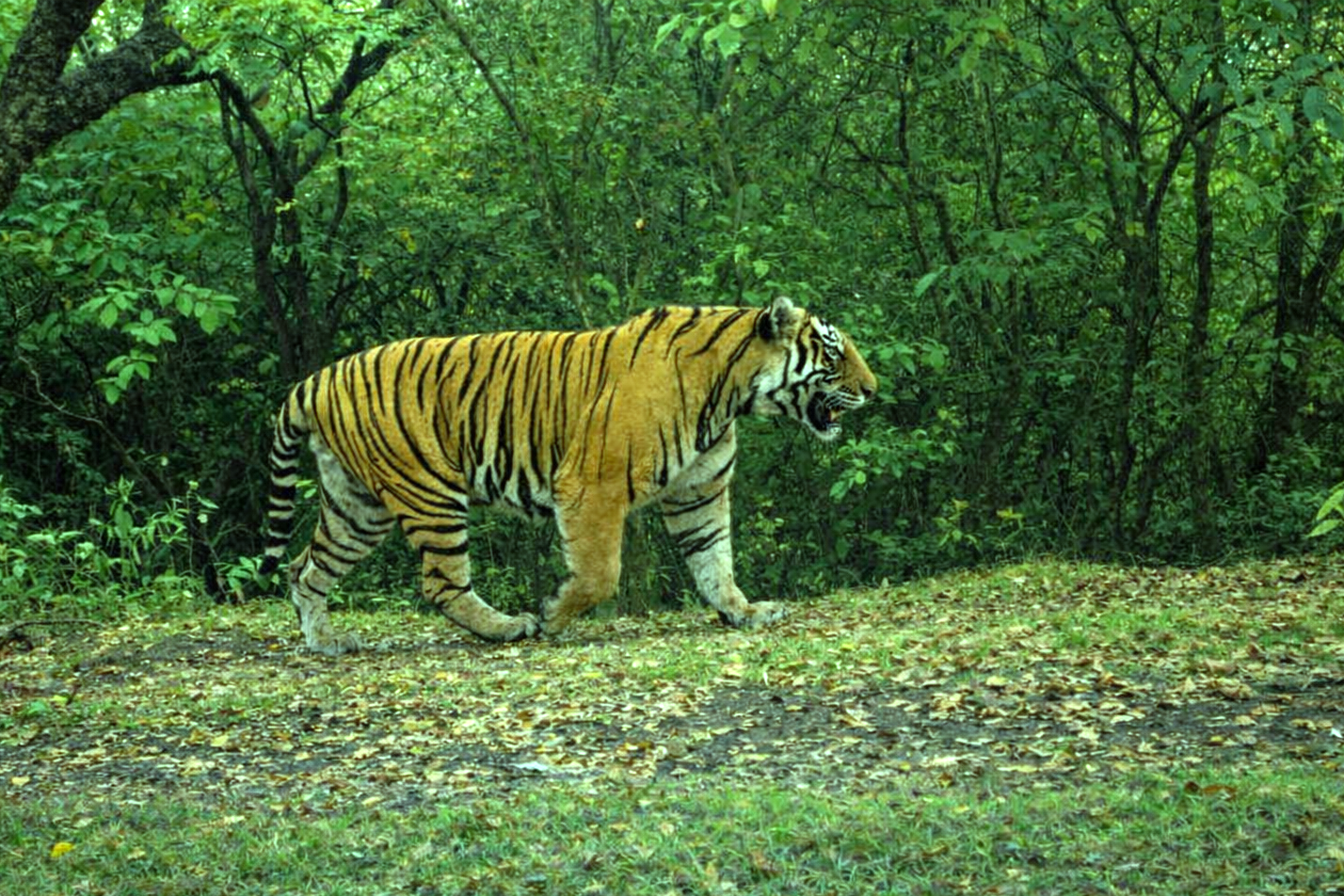
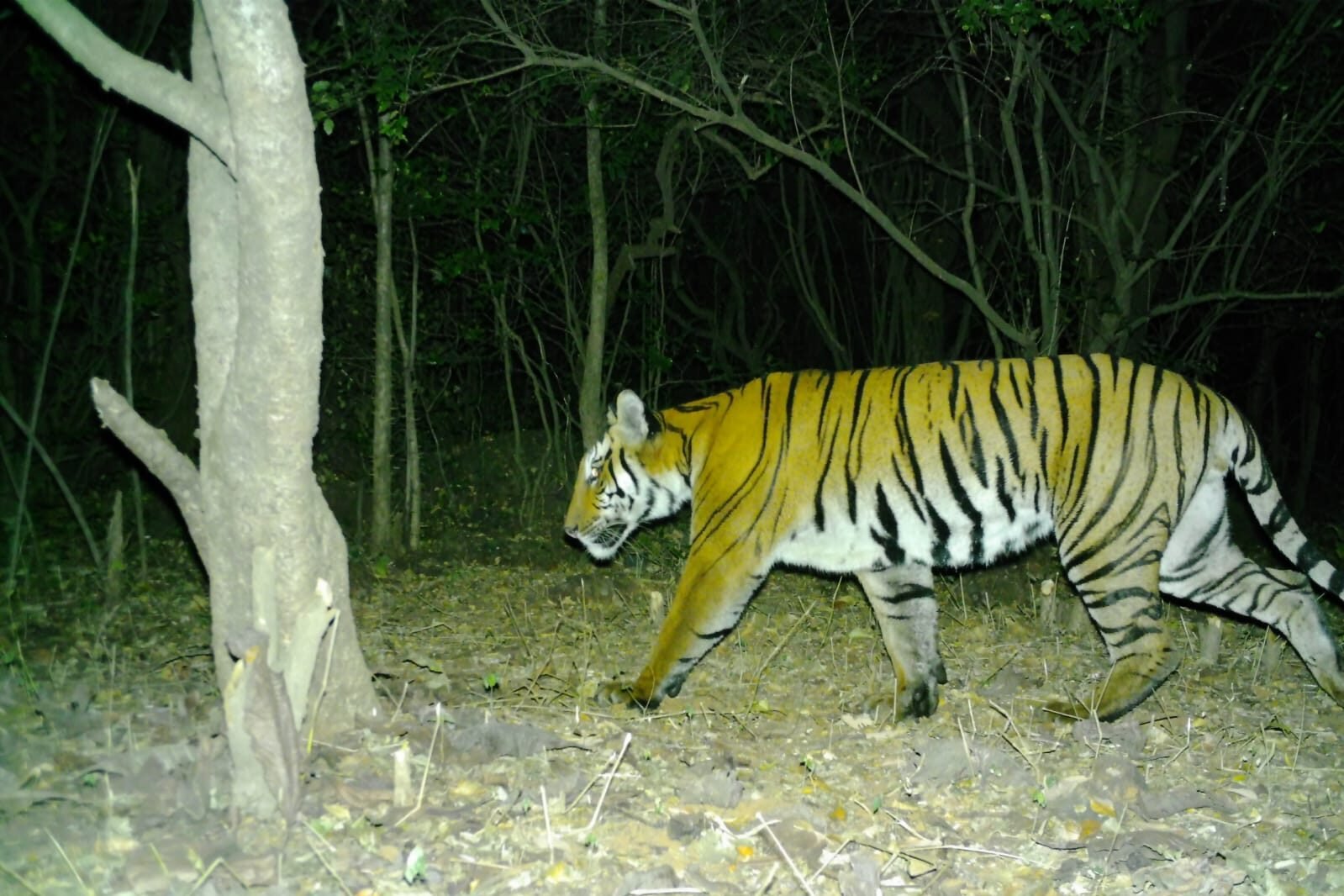
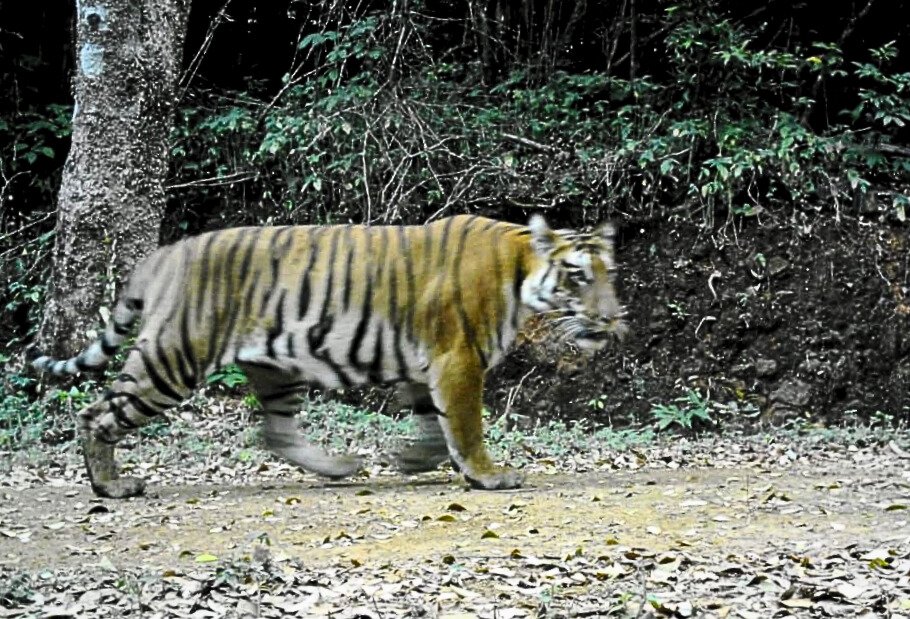
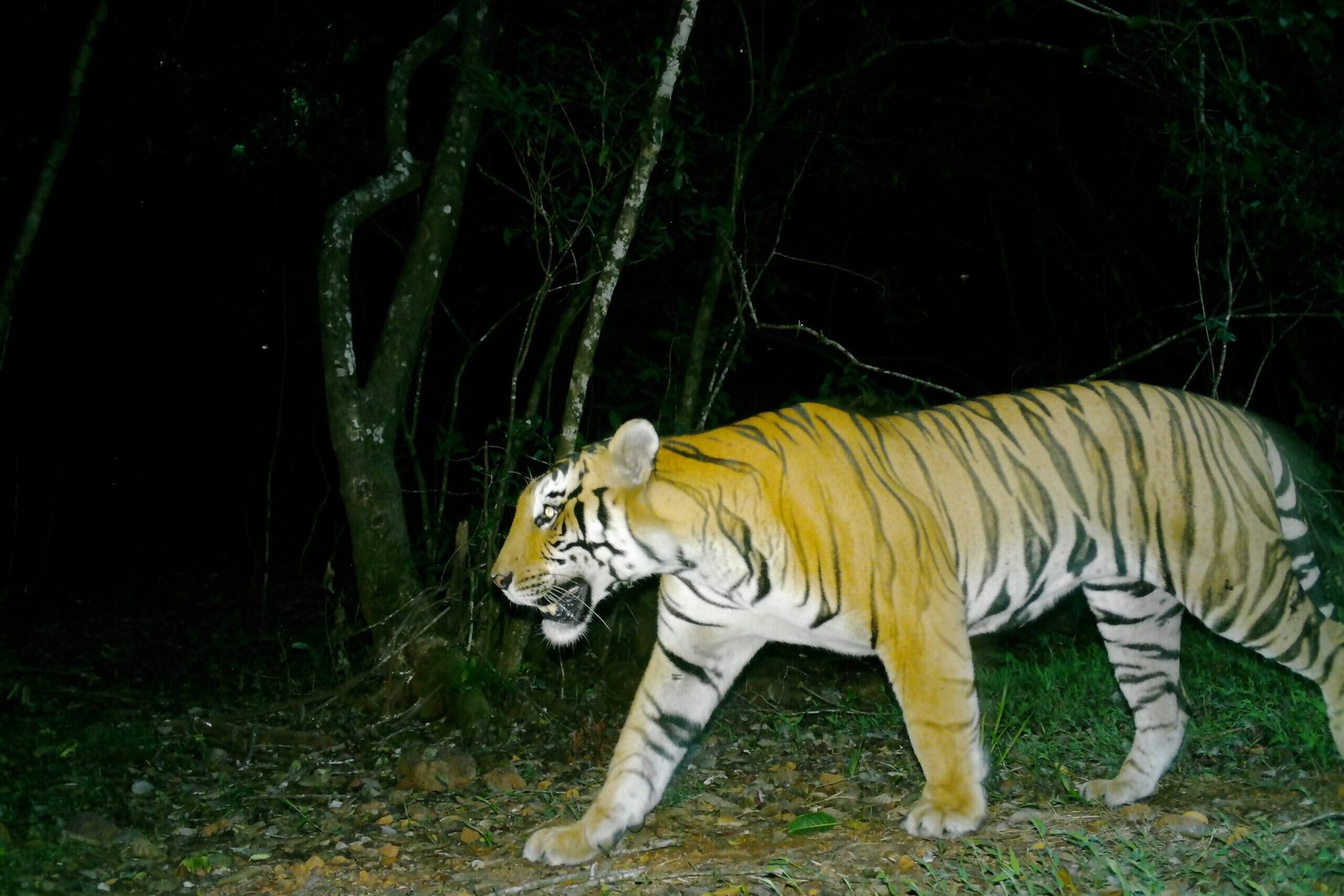
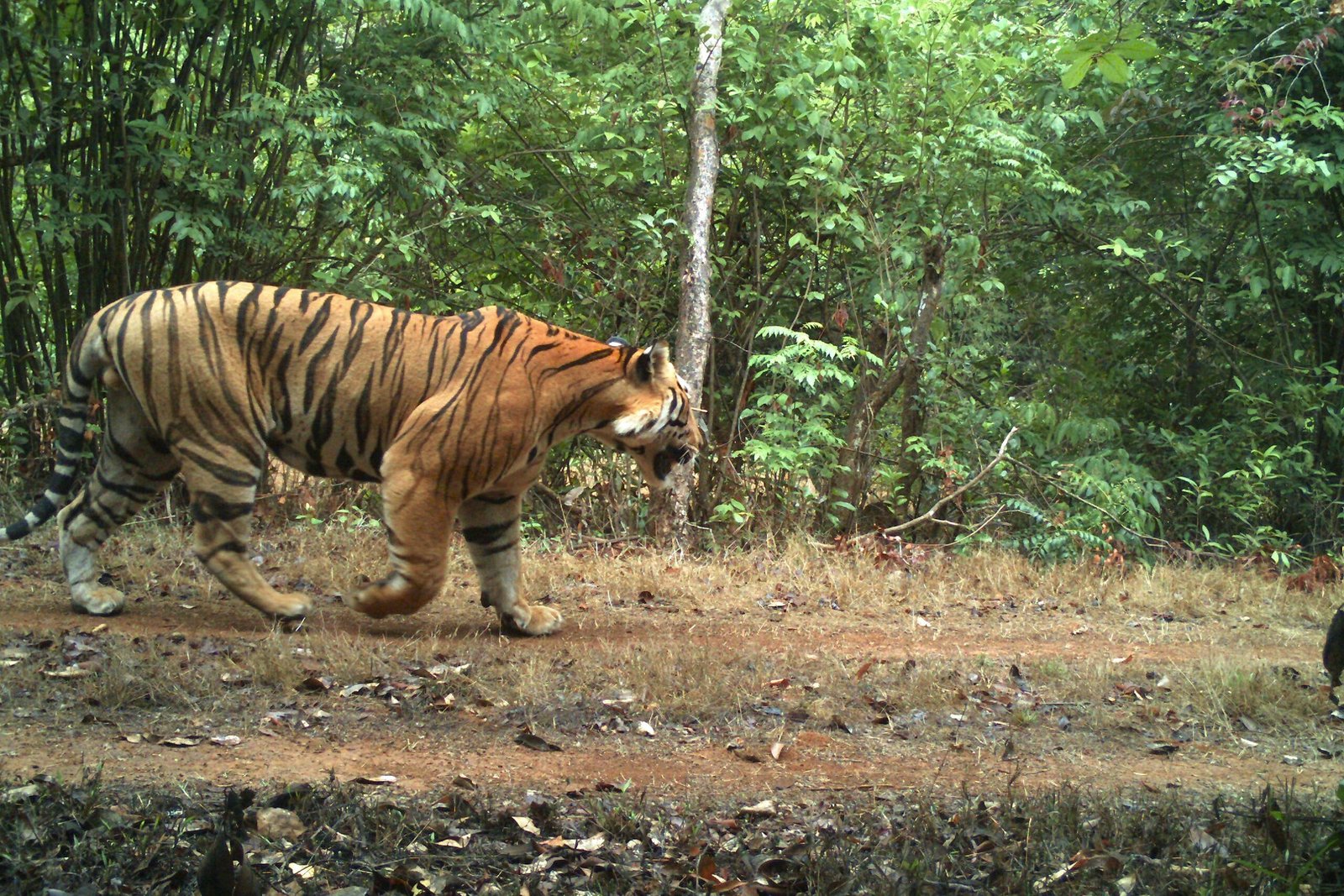
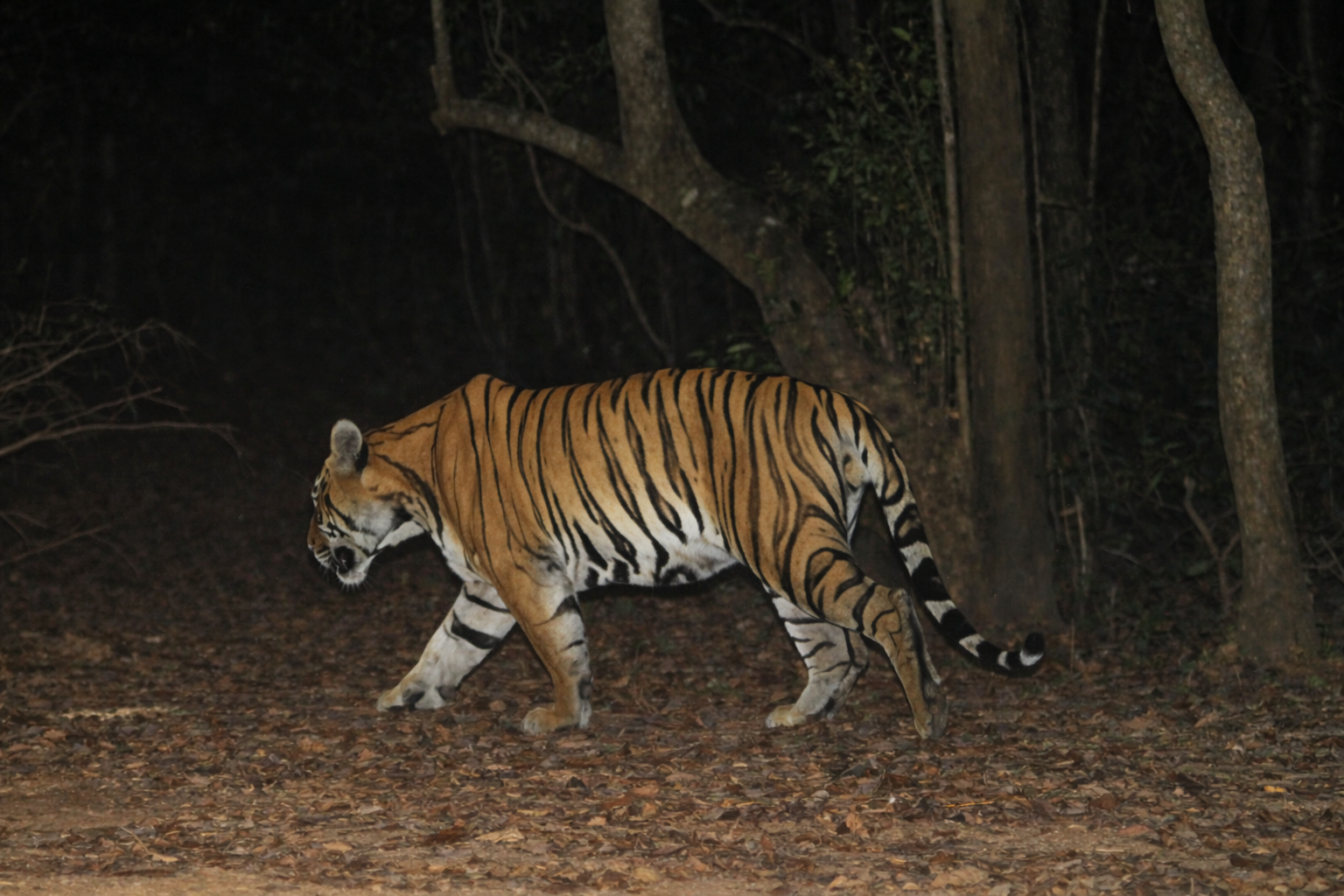
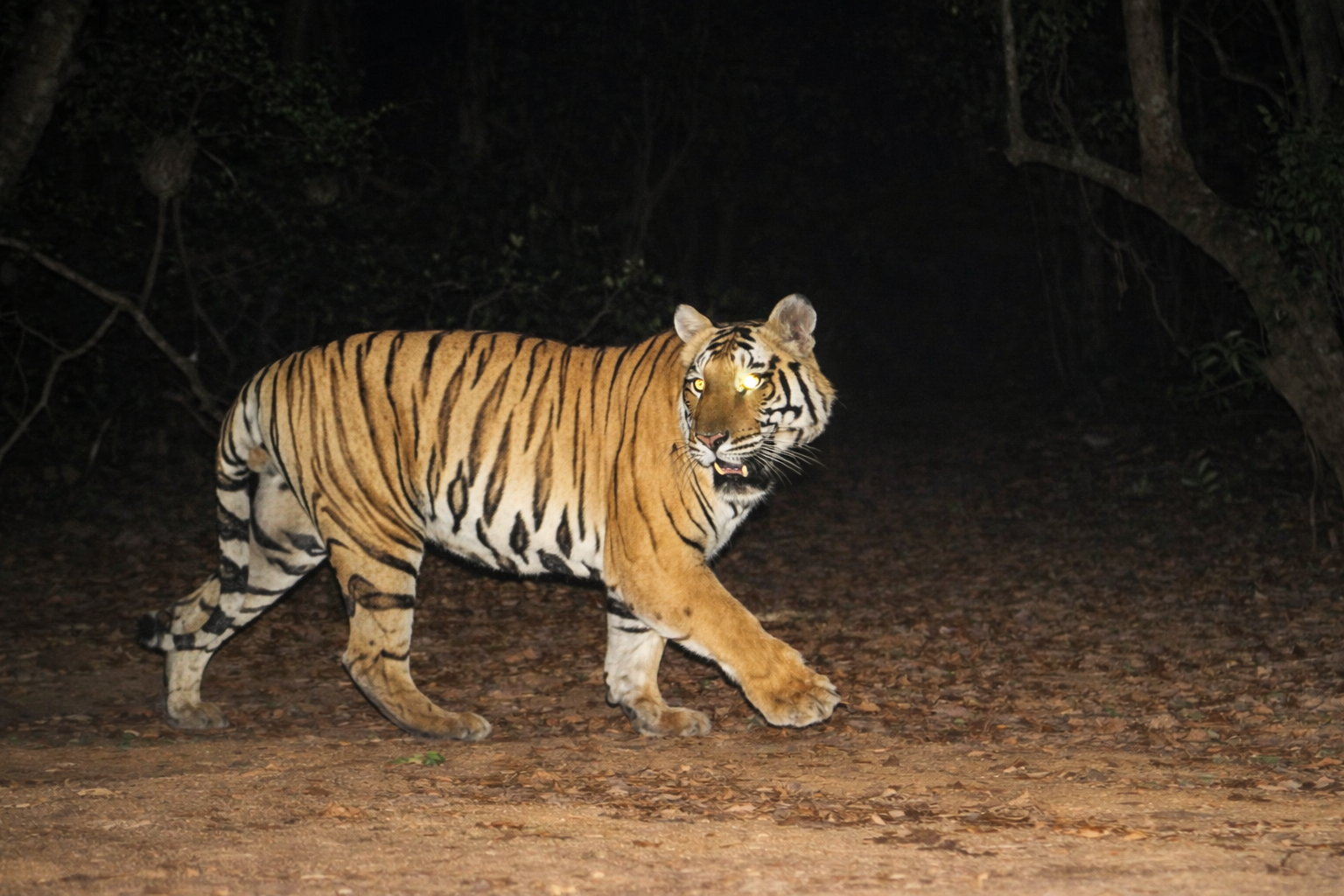





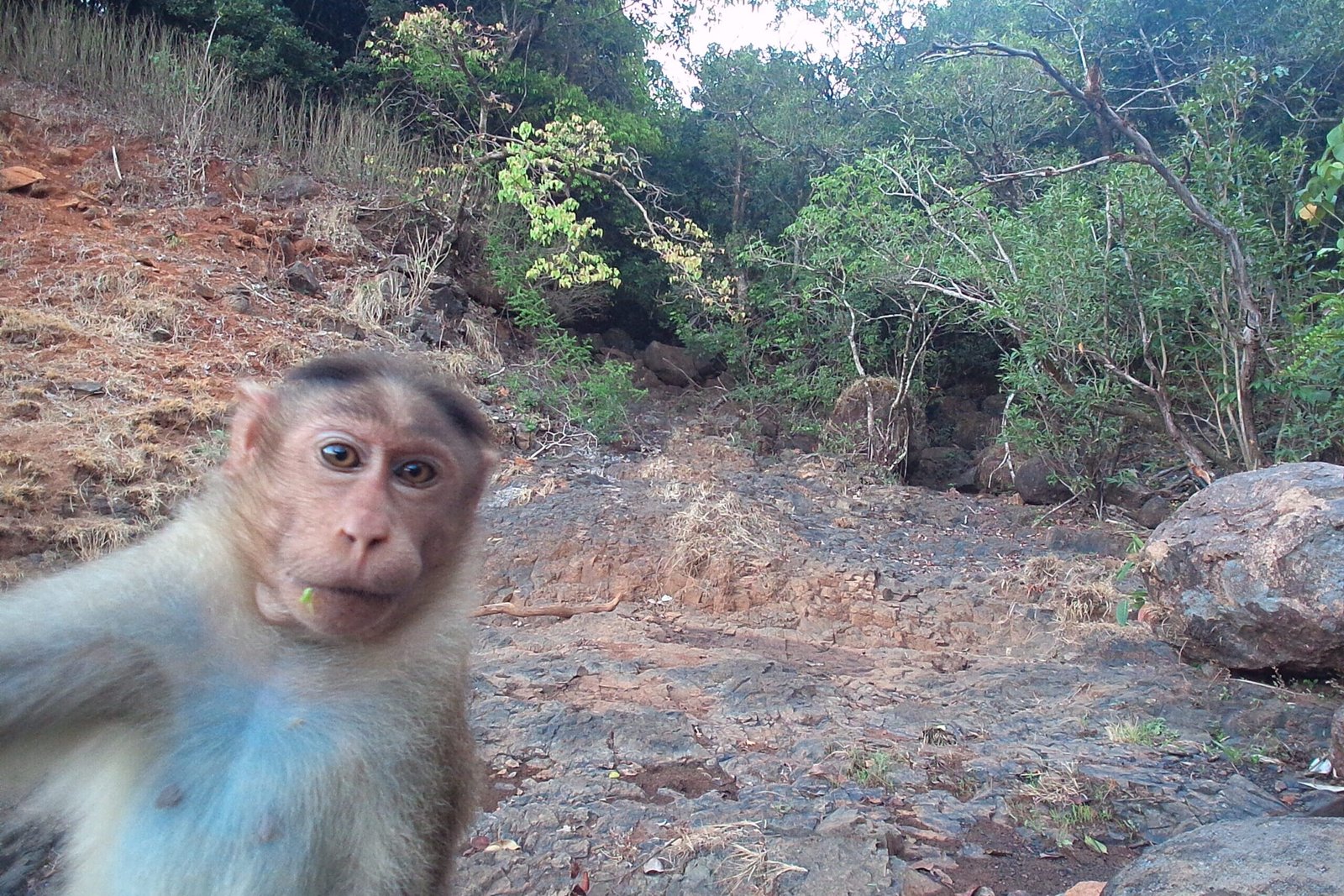
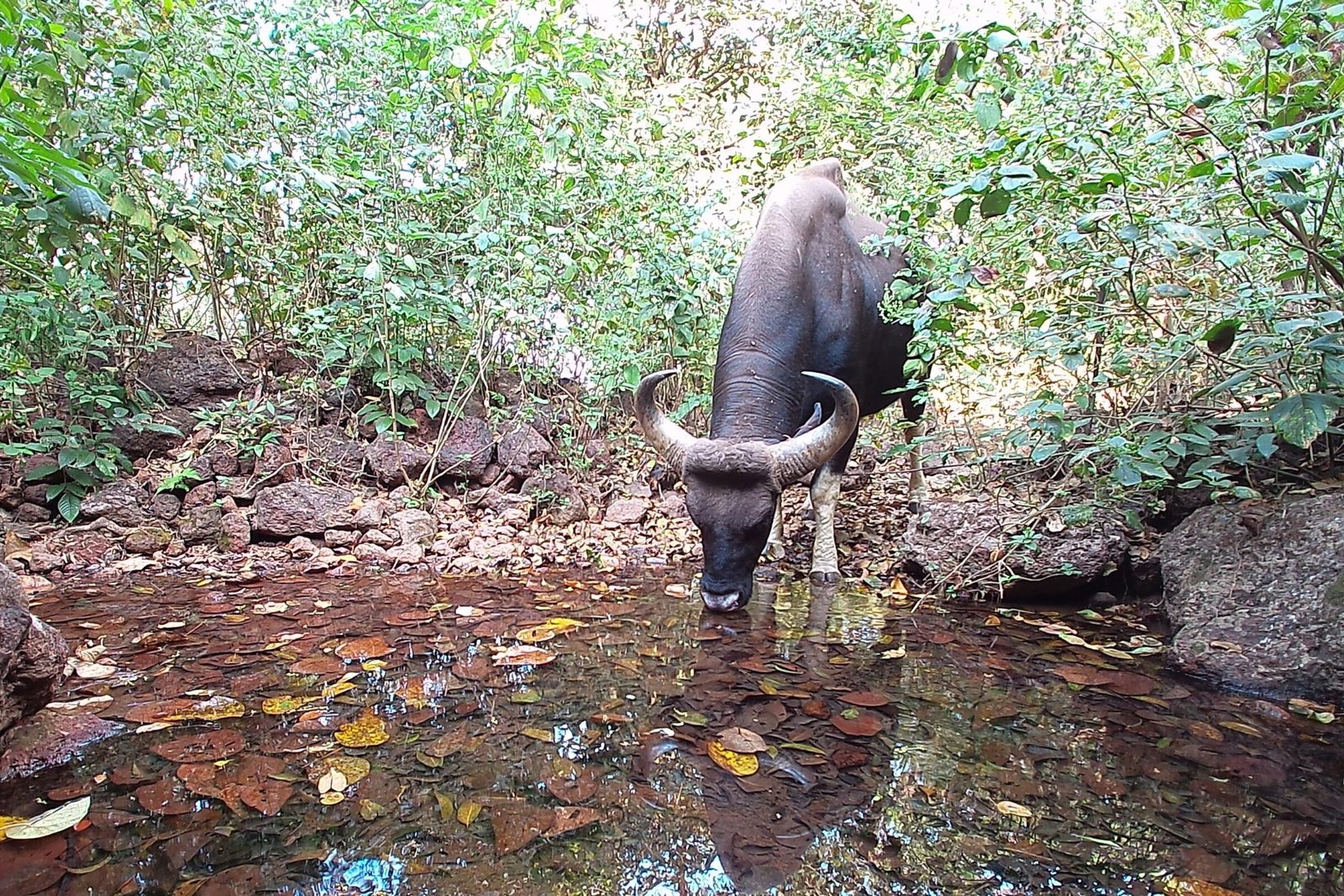
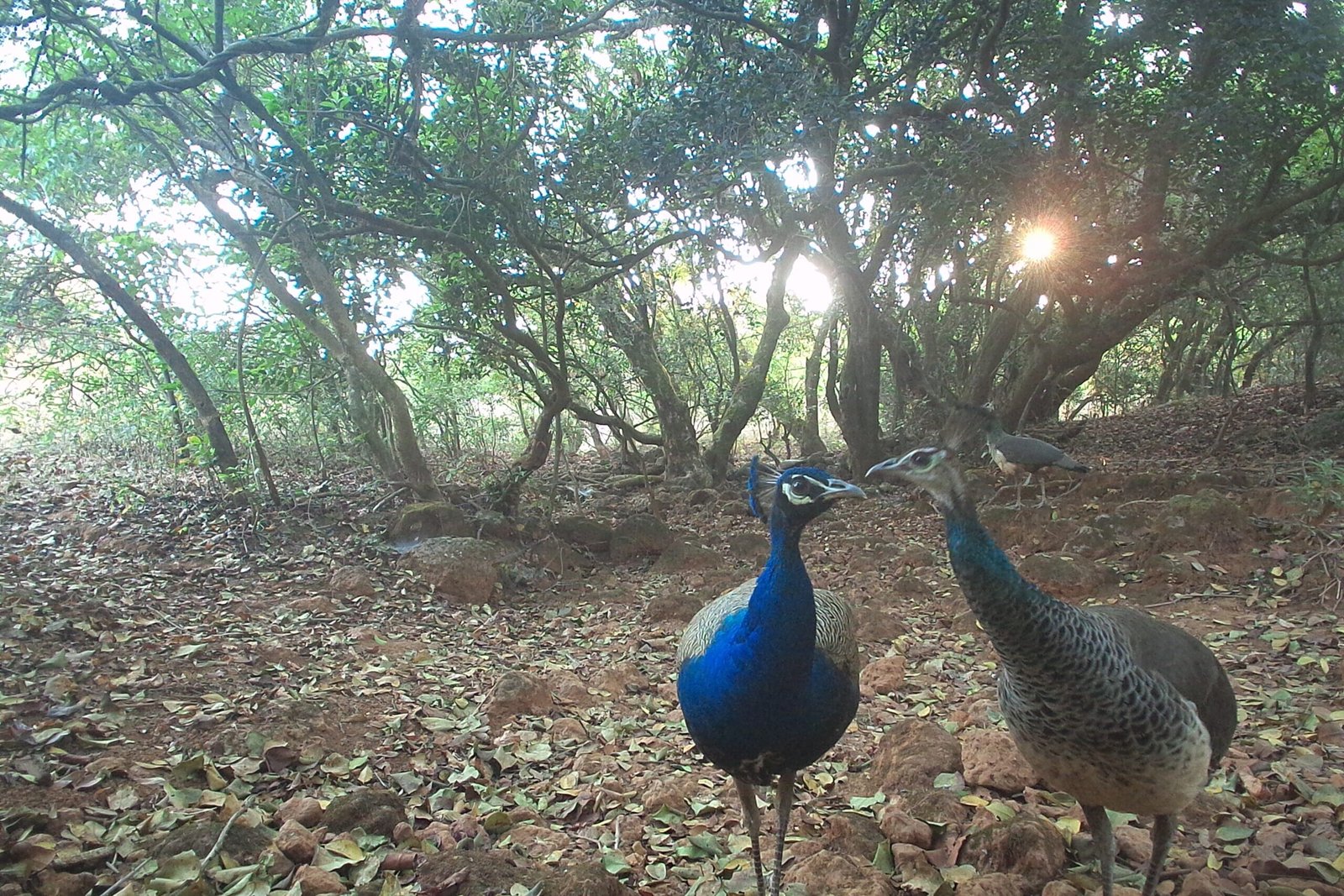
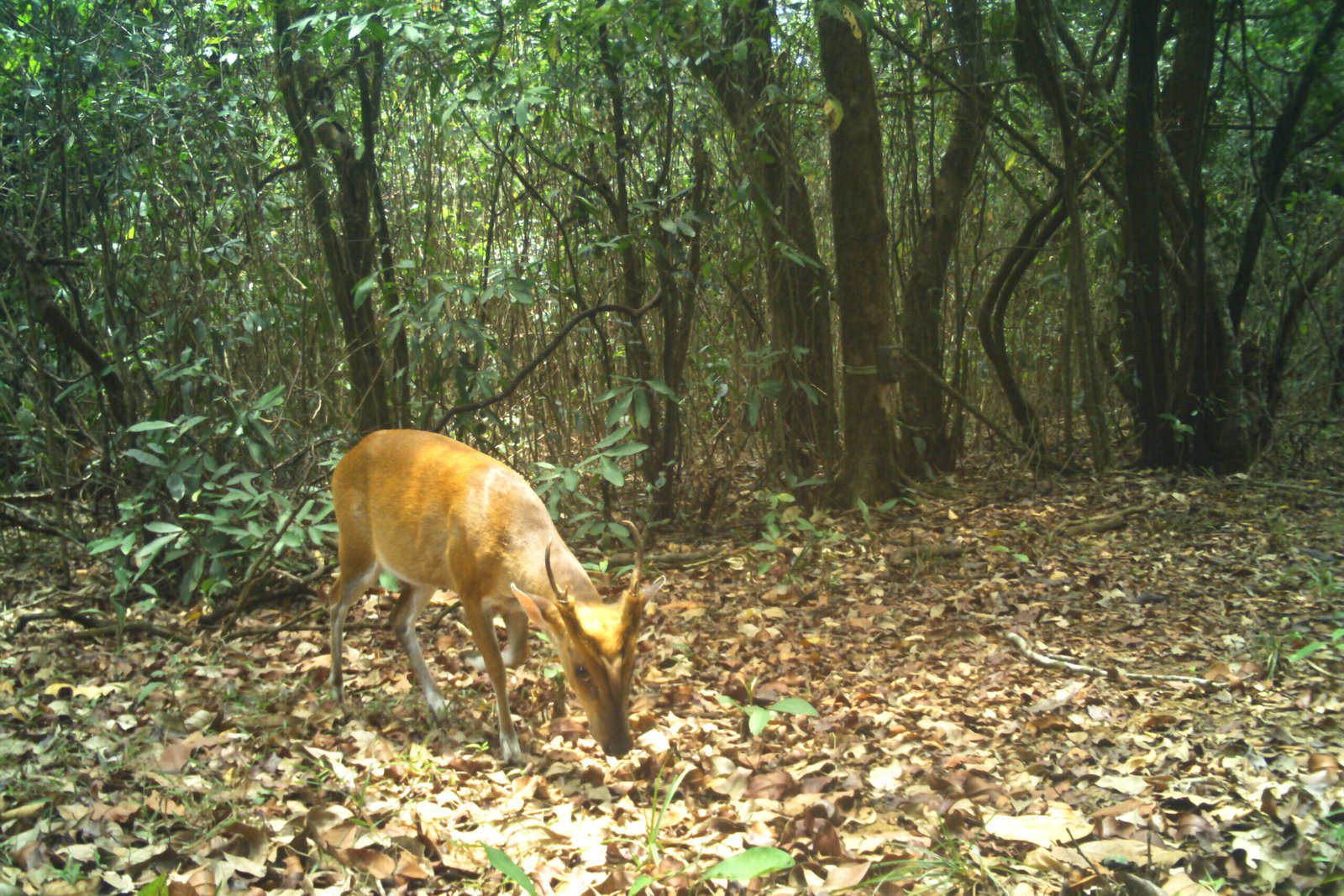
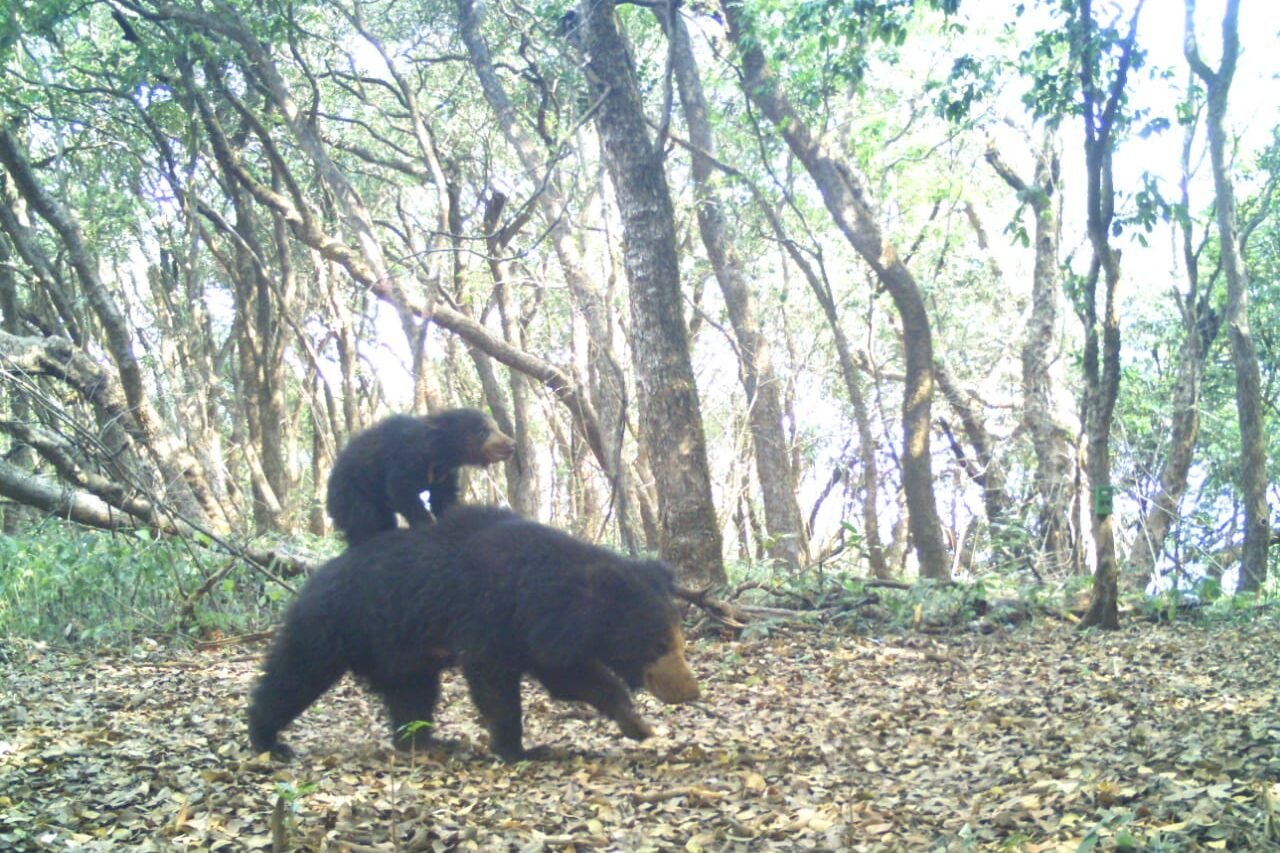
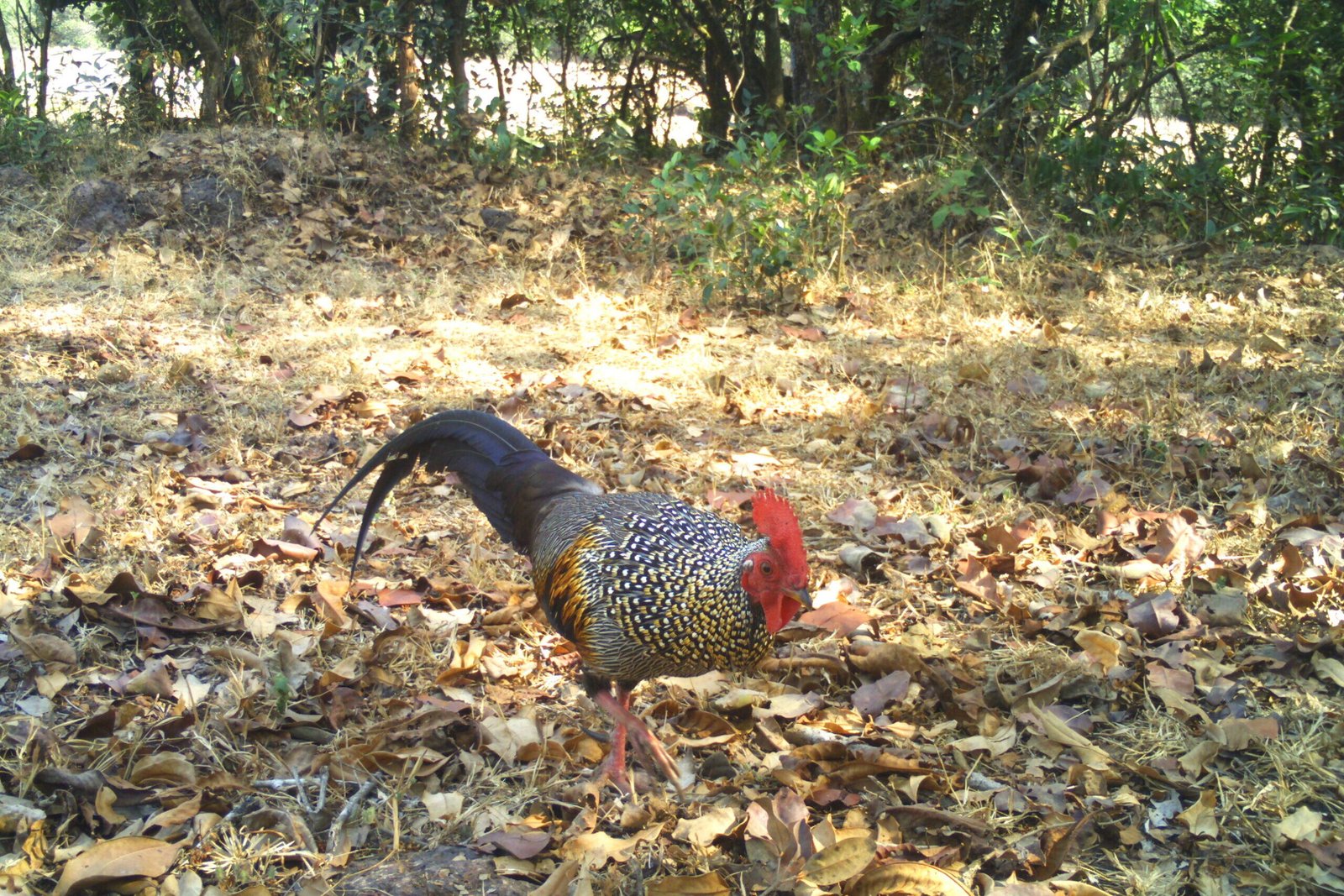
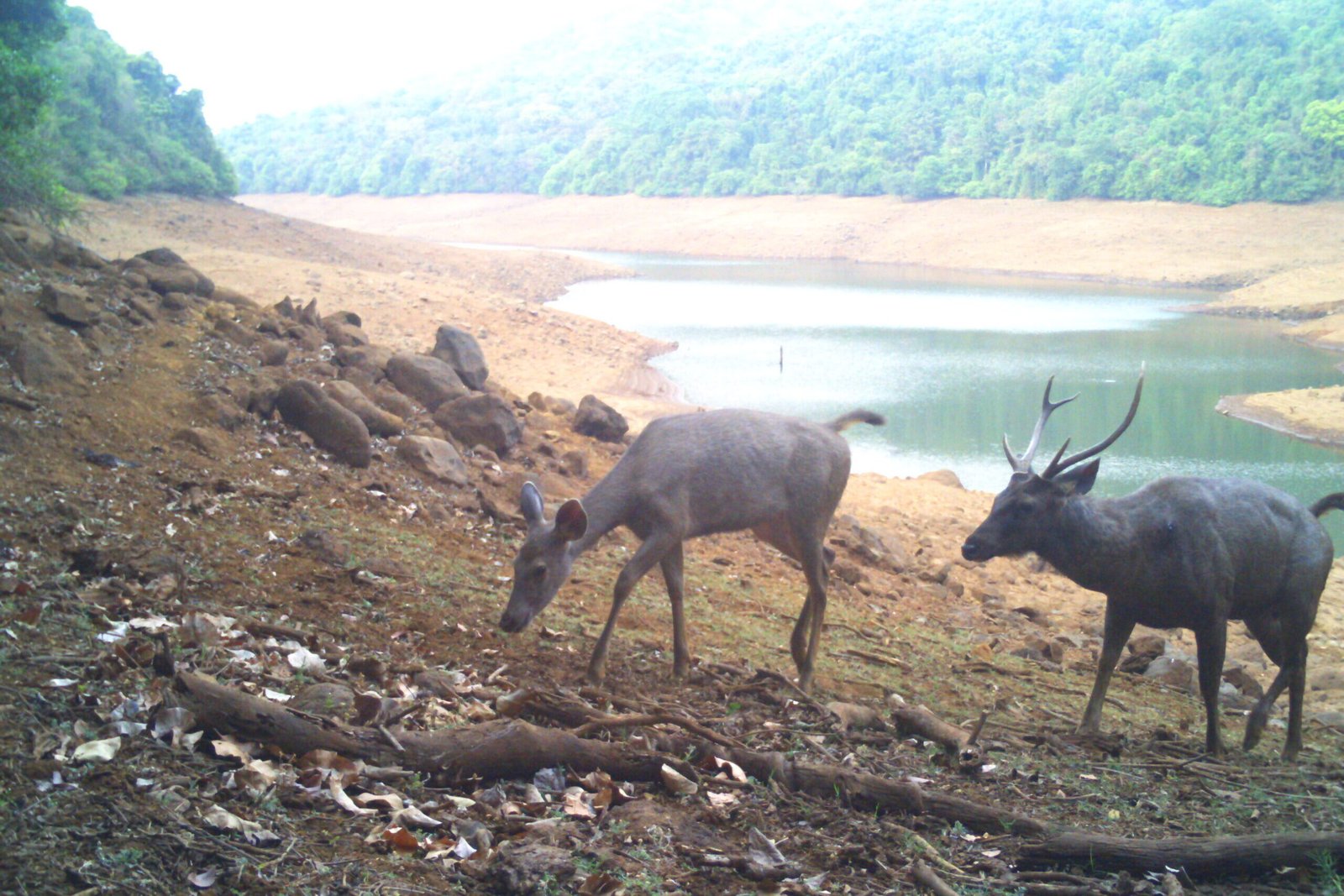
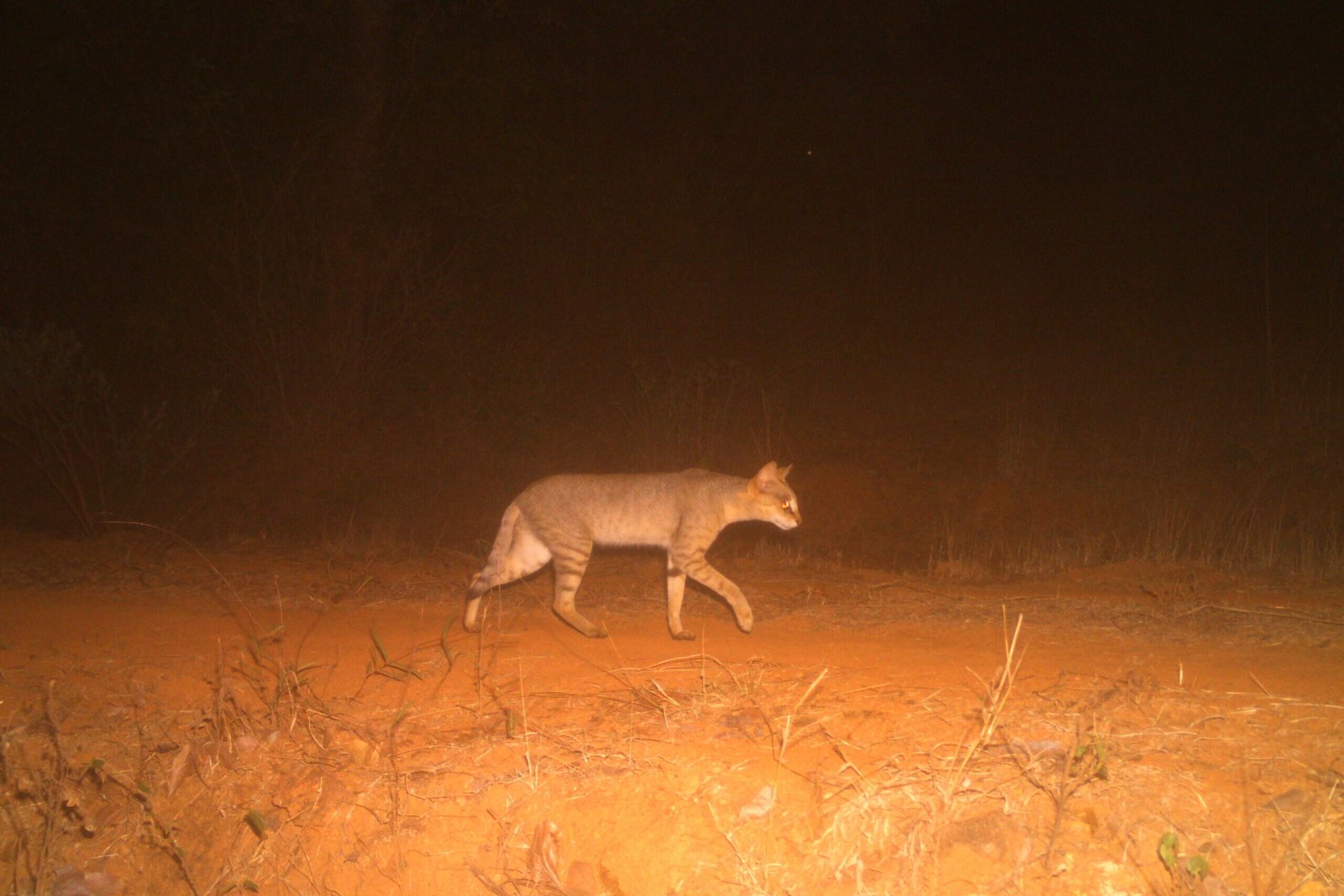
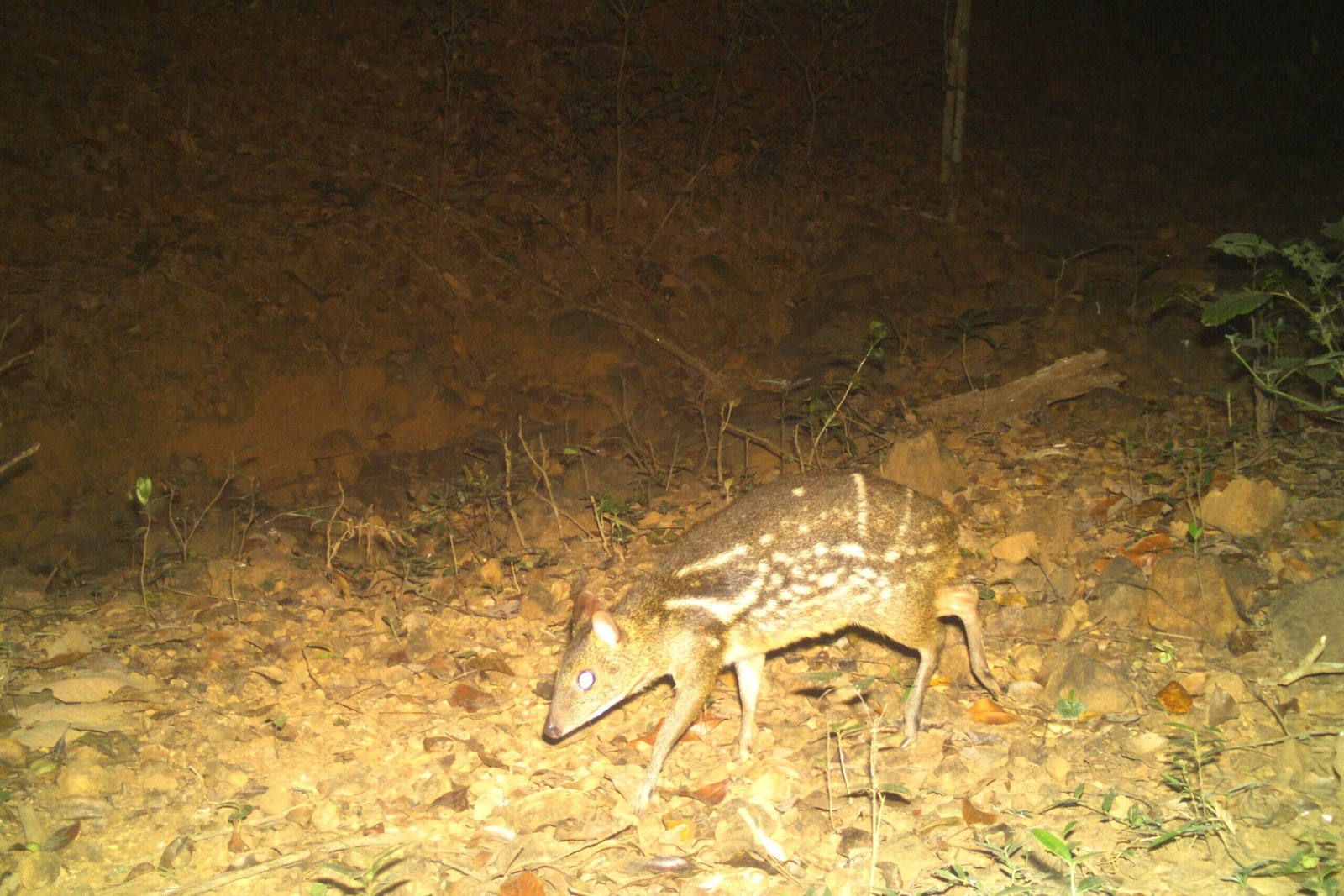
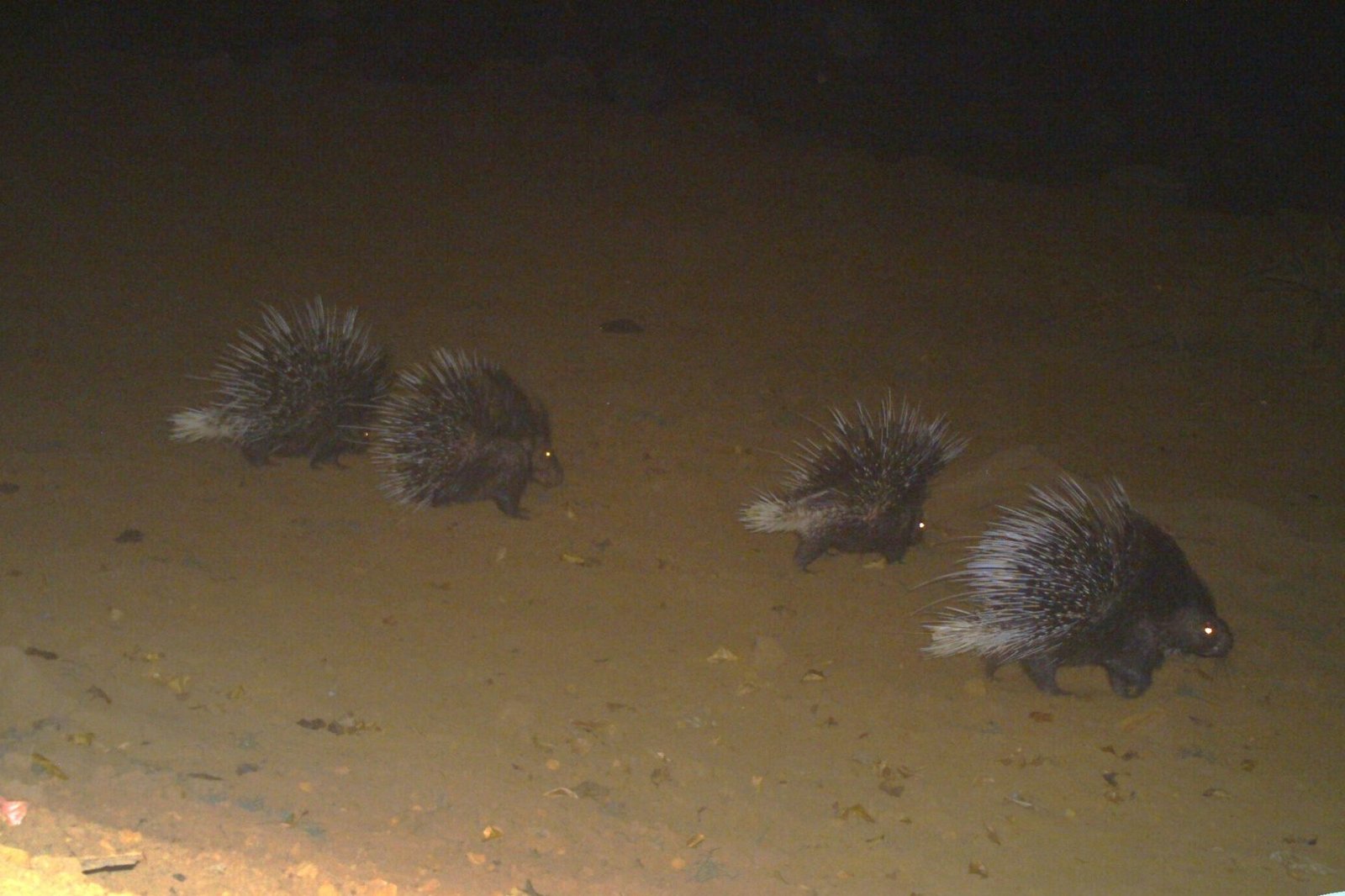
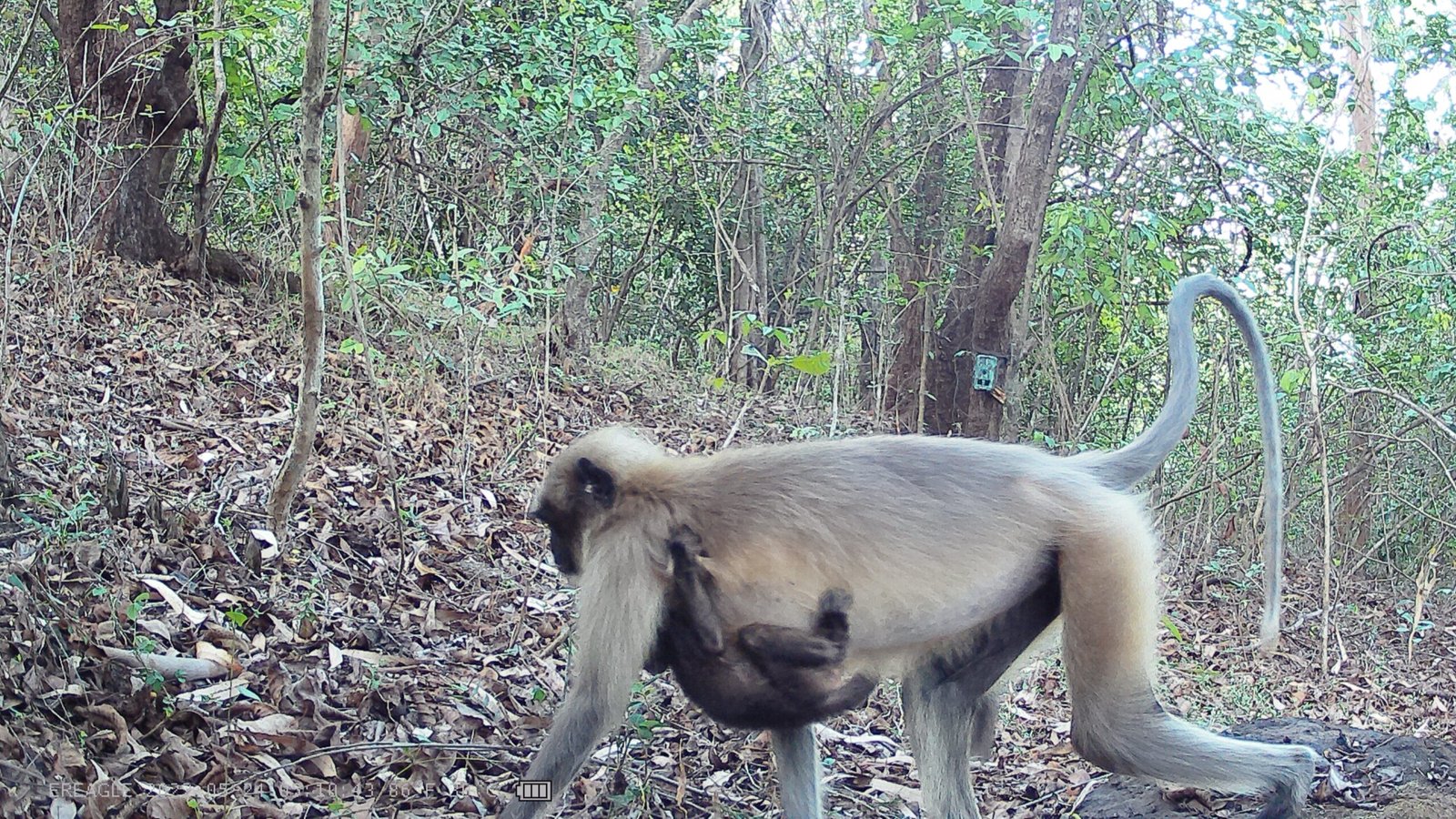
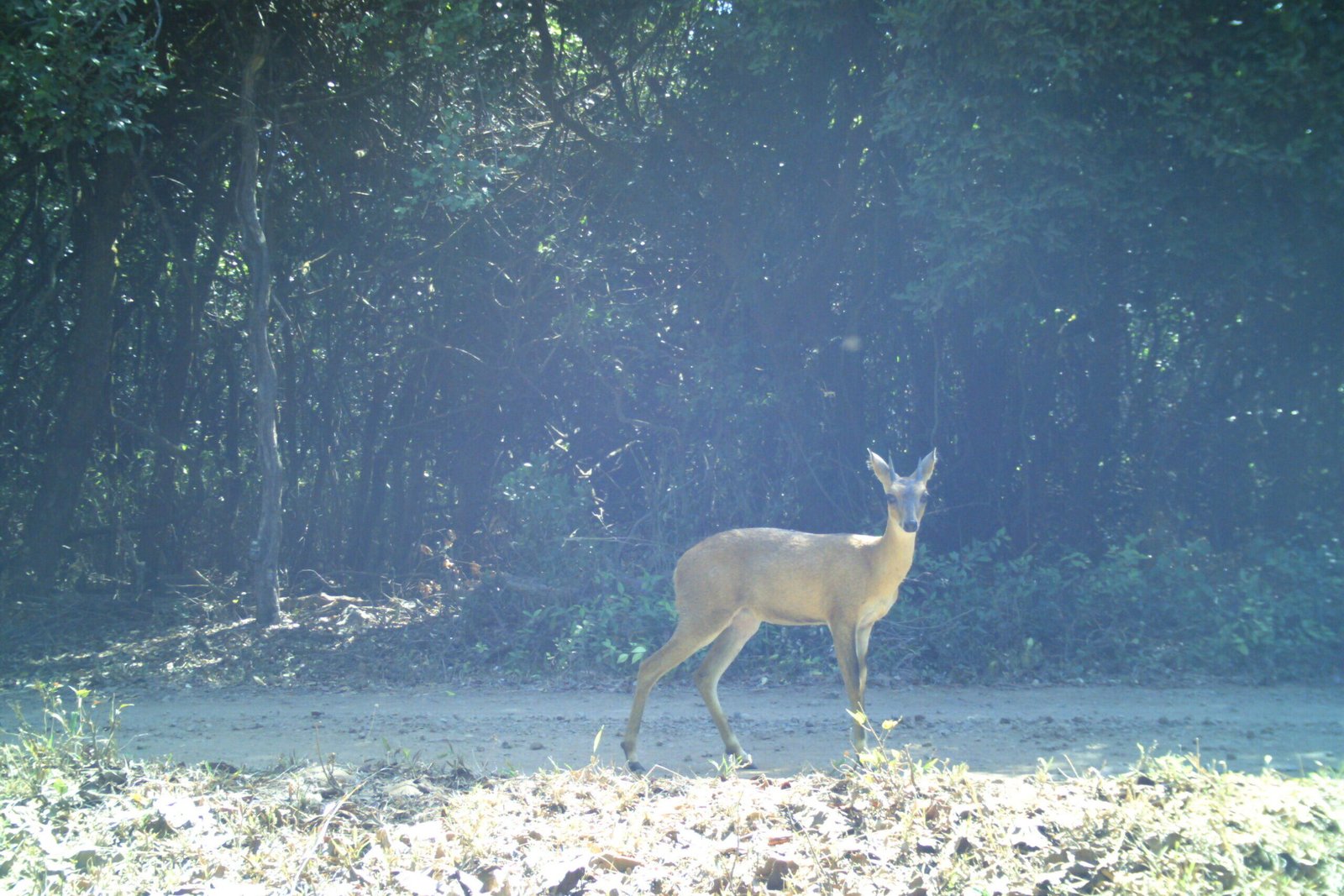
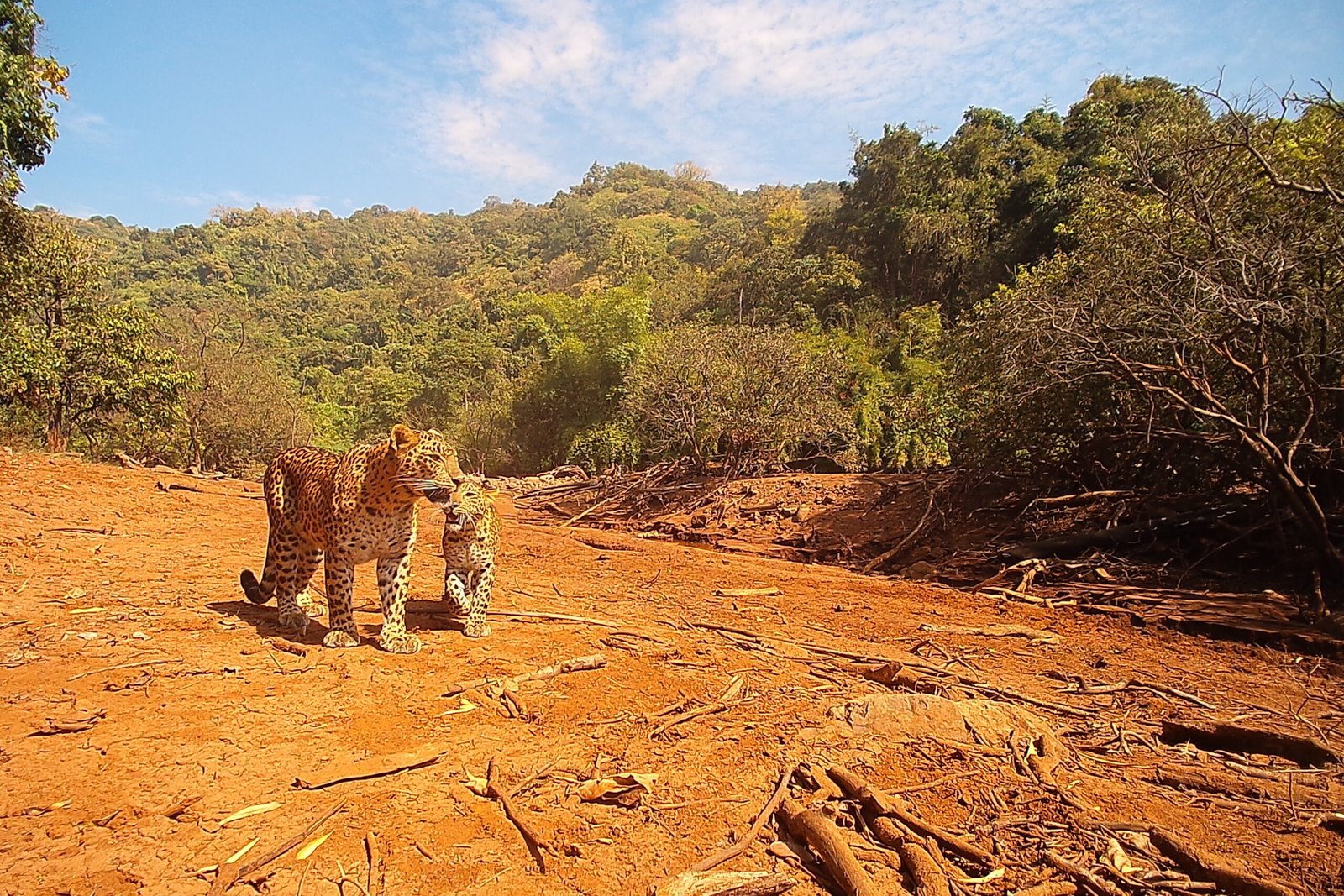
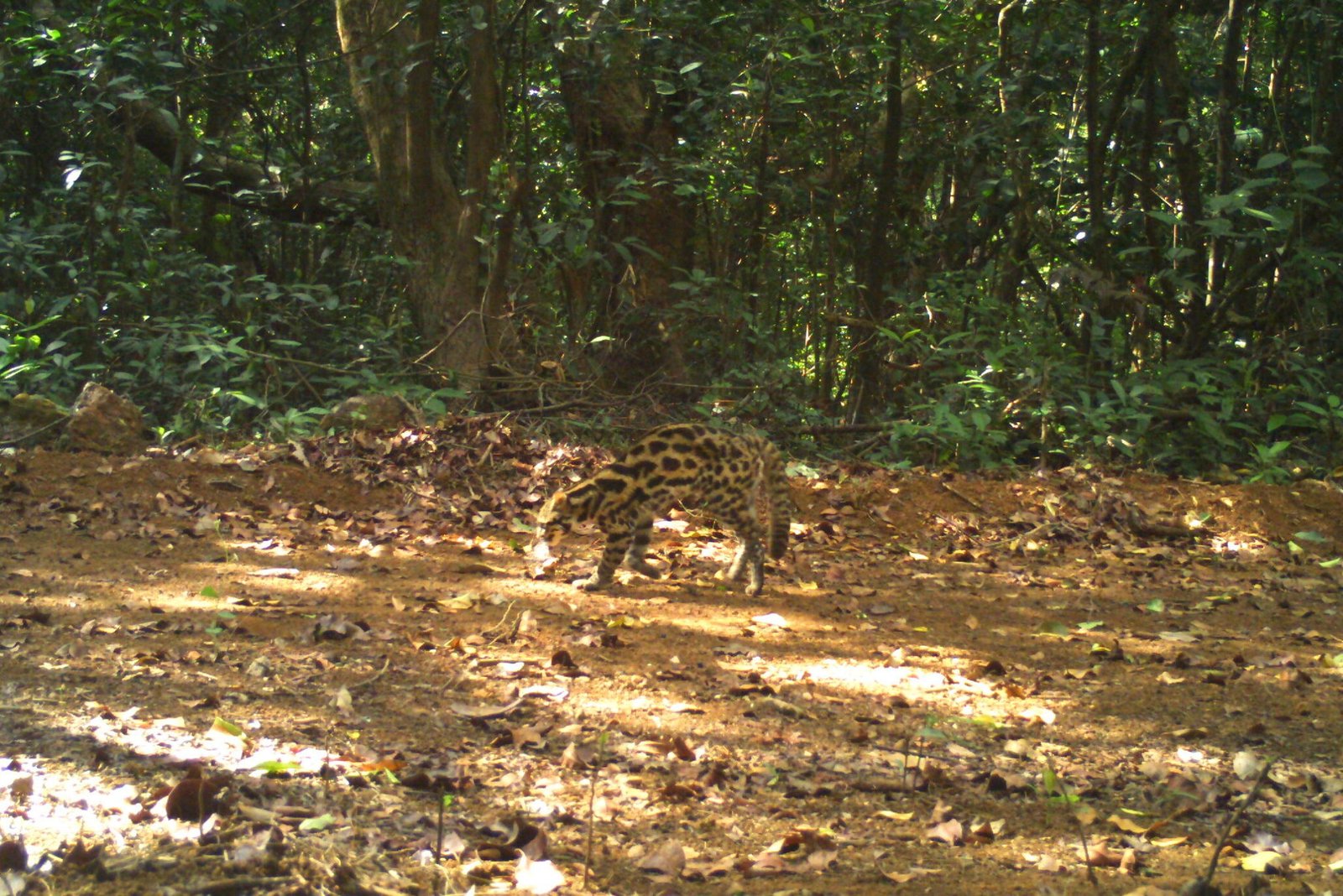
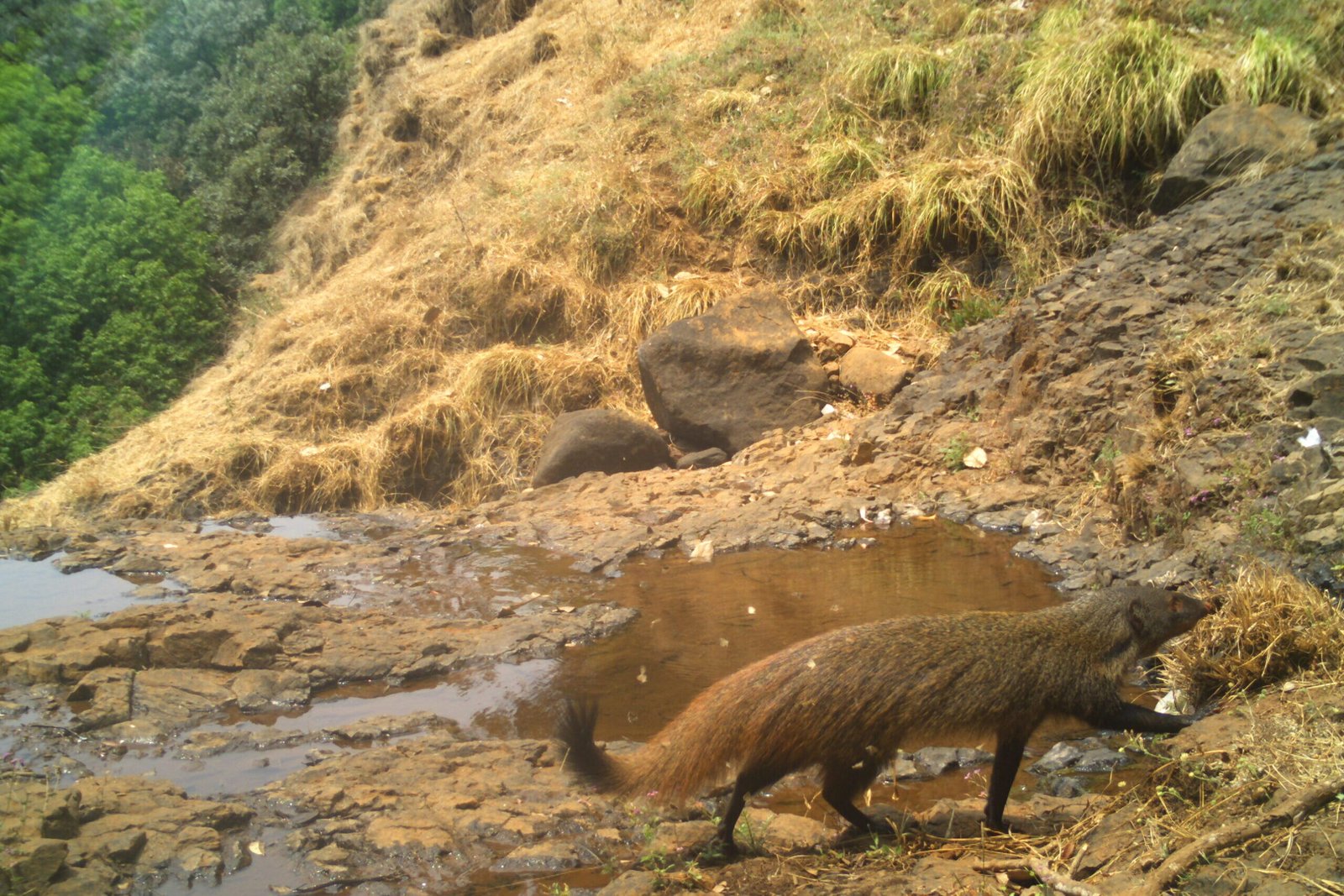
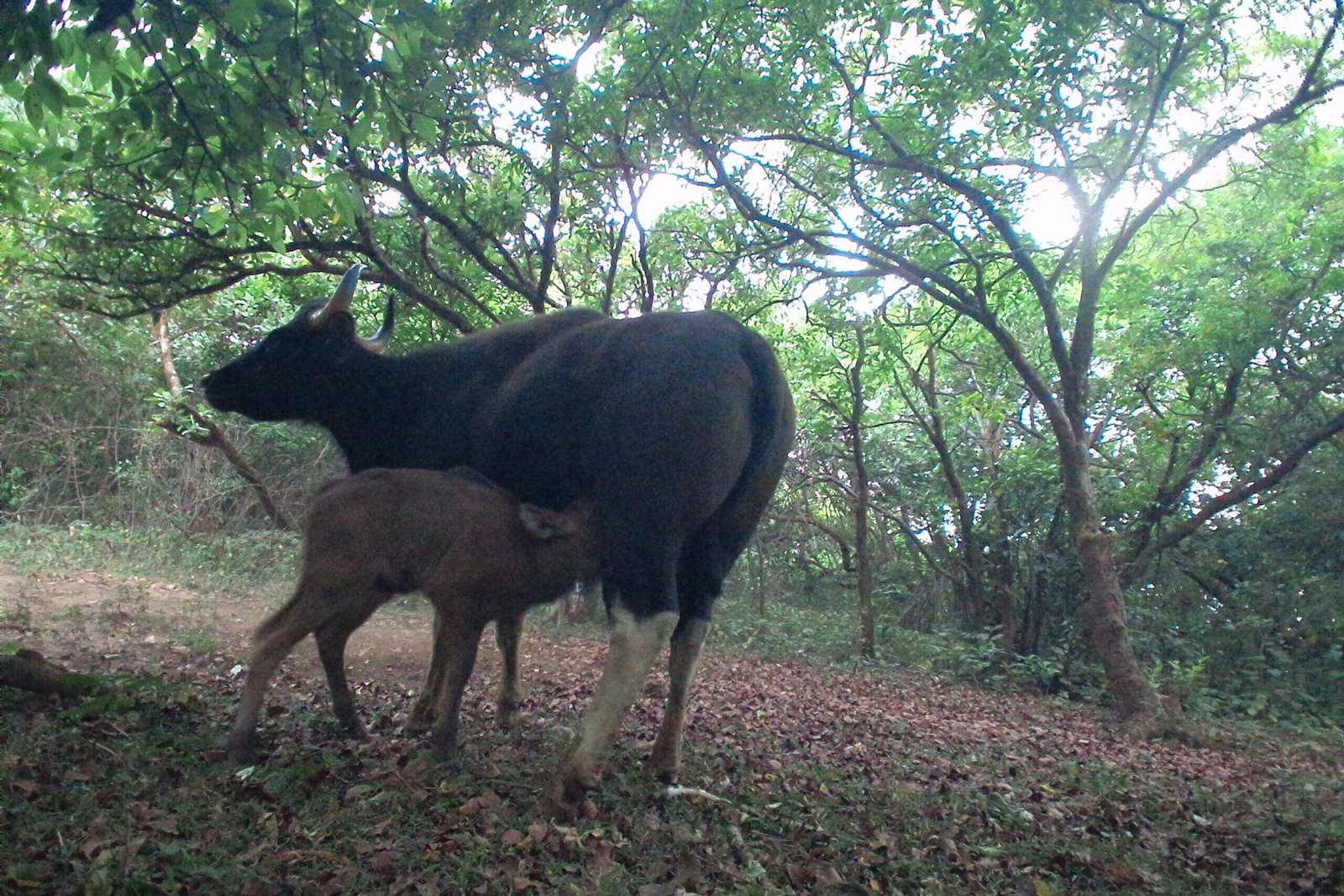
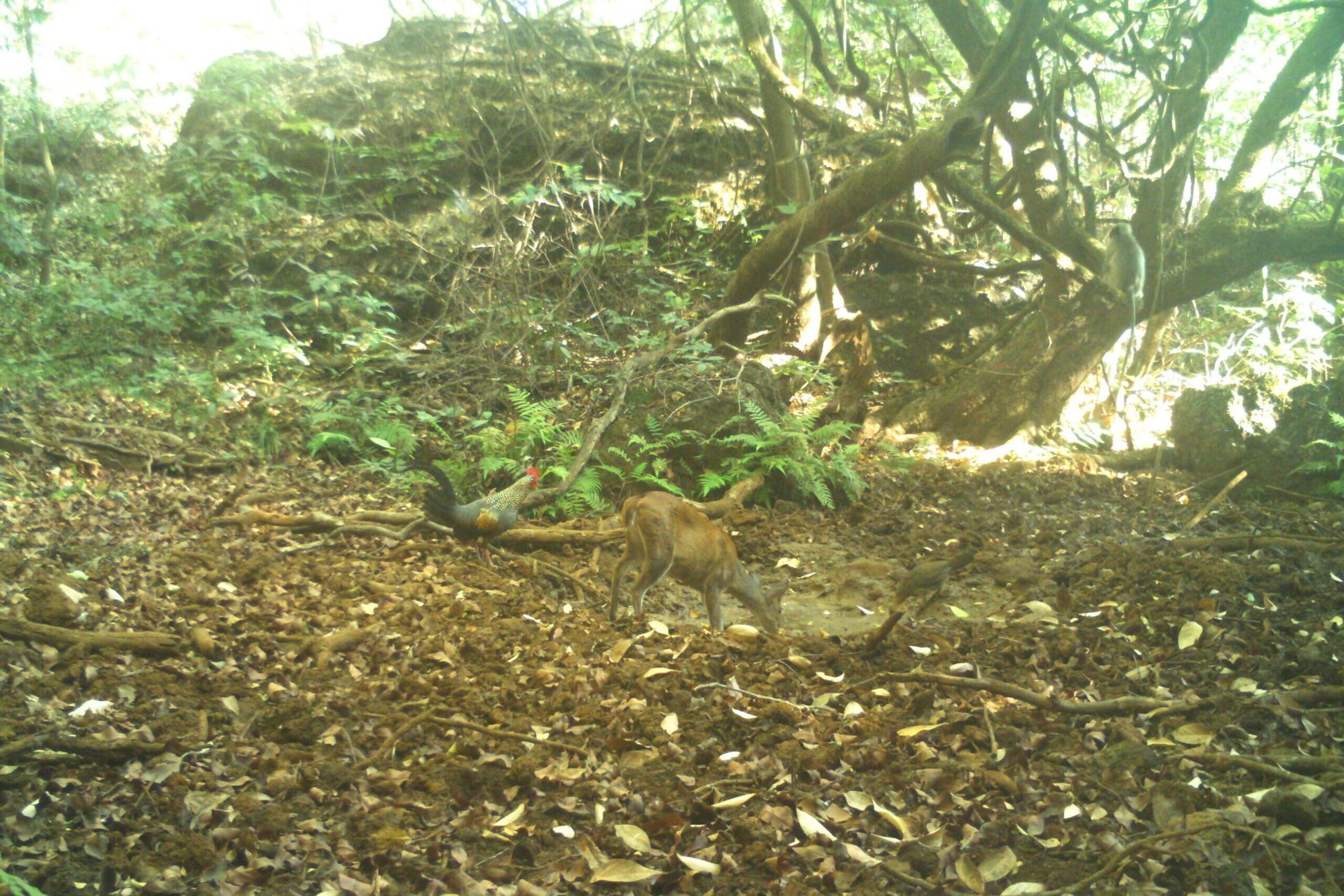
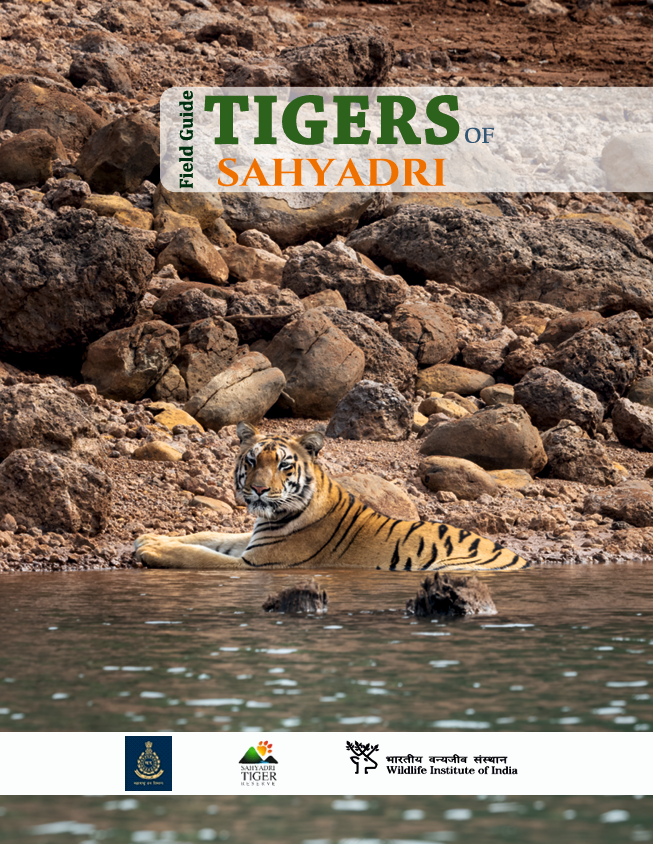


PHOTO GALLERY
Explore the wildlife,landscapes and conservation stories of the Sahyadri landscape.